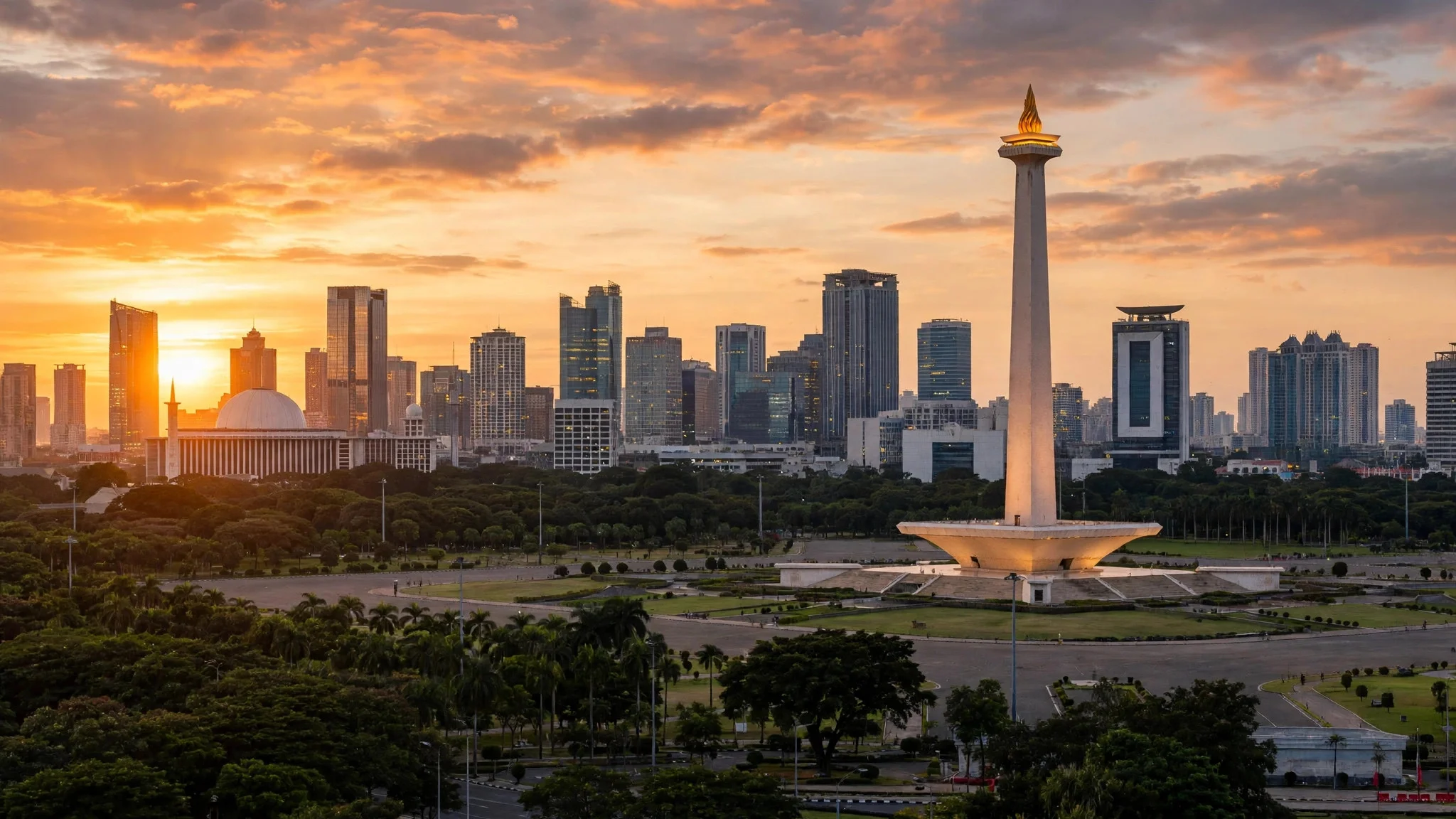
Jakarta is hot and humid all year, but the city changes a lot between the dry season and the rainy season, and the festivals and holidays on the calendar can change prices, crowds, and opening hours. Picking the right month can mean cheaper hotels, clearer skies, or a chance to join a celebration.
This guide explains the two seasons, the festivals and public holidays worth planning around, how prices move through the year, and what to pack for each season. Prices are in IDR with approximate USD equivalents.
The Two Seasons: Dry Season and Rainy Season
The dry season runs roughly from May to September, with less rain, more sunshine, and slightly cooler evenings. This is the most comfortable time to walk around Kota Tua, visit outdoor markets, and take a day trip to the Thousand Islands, since boat trips are less likely to be cancelled.
The rainy season runs roughly from November to March, with short heavy showers, usually in the afternoon, and occasional flooding on some streets. Mornings are often dry, so plan outdoor sightseeing early and keep museums, malls, and cafes as your afternoon backup when the rain arrives.

Festivals and Public Holidays Worth Planning Around
Lebaran, the holiday after Ramadan, is the biggest event of the year, when many Jakartans travel home and the city becomes quieter for a few days, while malls and restaurants may close or shorten their hours. Check the date before you book, since it moves earlier each year.
Independence Day on 17 August brings ceremonies, street decorations, and neighbourhood games across the city, and the Jakarta anniversary in June brings fairs and exhibitions. Chinese New Year and Nyepi also affect opening hours, so check the public holiday calendar before you travel.
Prices by Season: Flights, Hotels, and Daily Costs
Flights and hotels are usually cheapest during the rainy season, especially in January and February, when a comfortable three-star hotel can cost from around IDR 500,000 a night (roughly USD 30). In the dry season and around school holidays, the same room can cost from around IDR 700,000 to IDR 1,000,000 (roughly USD 42 to USD 60).
Daily costs change less than room prices: a street meal stays around IDR 25,000 to IDR 50,000 (roughly USD 1.50 to USD 3) all year, and ride-hailing fares rise mainly during rush hour and rain. Booking flights two or three months ahead usually saves more than picking a cheaper month.
What to Pack for Each Season
For the dry season, pack light clothes, sunscreen, a hat, and comfortable walking shoes, since the sun is strong from late morning to mid-afternoon. A light jacket helps in air-conditioned malls and offices, which can feel cold after the heat outside.
For the rainy season, add a compact rain jacket or a small umbrella, waterproof shoes, and a dry bag for your phone and passport. Laundry dries slowly in humid weather, so pack an extra set of clothes or use a laundry service, which costs from around IDR 10,000 to IDR 20,000 per kilo (roughly USD 0.60 to USD 1.20).

Practical Tips: Passport, Visa, and Booking Ahead
Your passport must be valid for at least six months when you enter Indonesia, and many nationalities can stay for up to 30 days without a visa. If you plan to stay longer, buy a visa on arrival at the airport for around IDR 500,000 (roughly USD 30), which can be extended once for another 30 days.
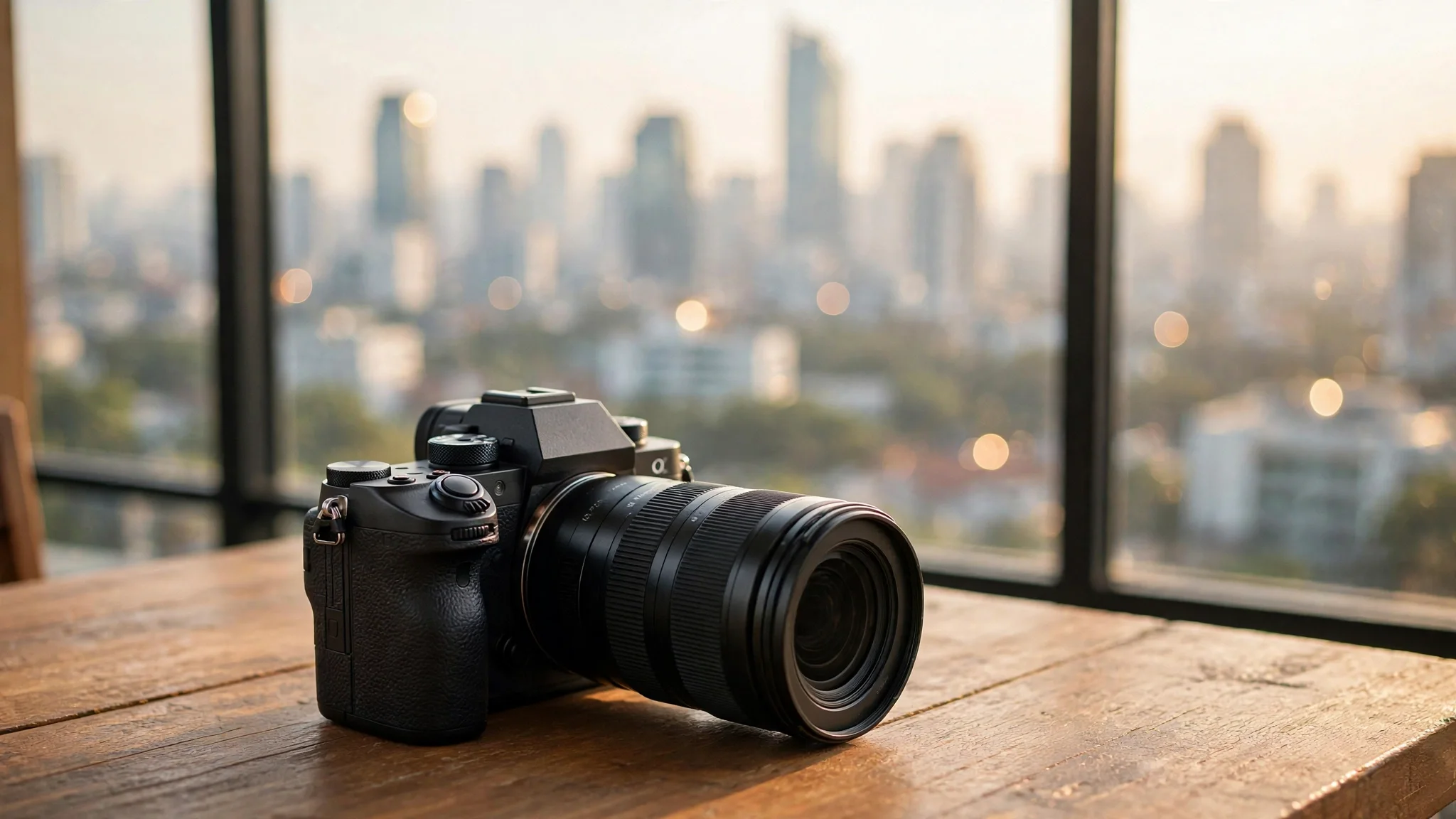
Book your hotel early if you travel during Lebaran, school holidays, or the dry-season peak, since the best rooms sell out first. Keep a copy of your passport and booking confirmations on your phone, and if you need a camera or laptop for the trip, rental providers in Jakarta deliver to hotels, usually ask for a passport, and charge a daily rate.

Checklist Before You Book
Before you confirm a booking, double-check the number of units, the specifications, the rental period, and any delivery or collection fees. Make sure the written quote states what happens if a unit fails and how quickly a replacement arrives, so no surprise charge appears later and disrupts your budget.
Keep a copy of the quote, the handover note, and photos of the initial condition in one project folder. This record makes it easier for your finance team to check the invoice, speeds up any damage discussion, and gives you a tidy reference when you rent again for your next project.
Finally, name one person responsible for the whole rental period: the person who receives the units, checks their condition, and contacts the provider if anything goes wrong. One clear owner prevents confusion when teams change shifts, and ensures every unit returns in a properly recorded condition.
Ready to rent? Visit desasewaindonesia.com