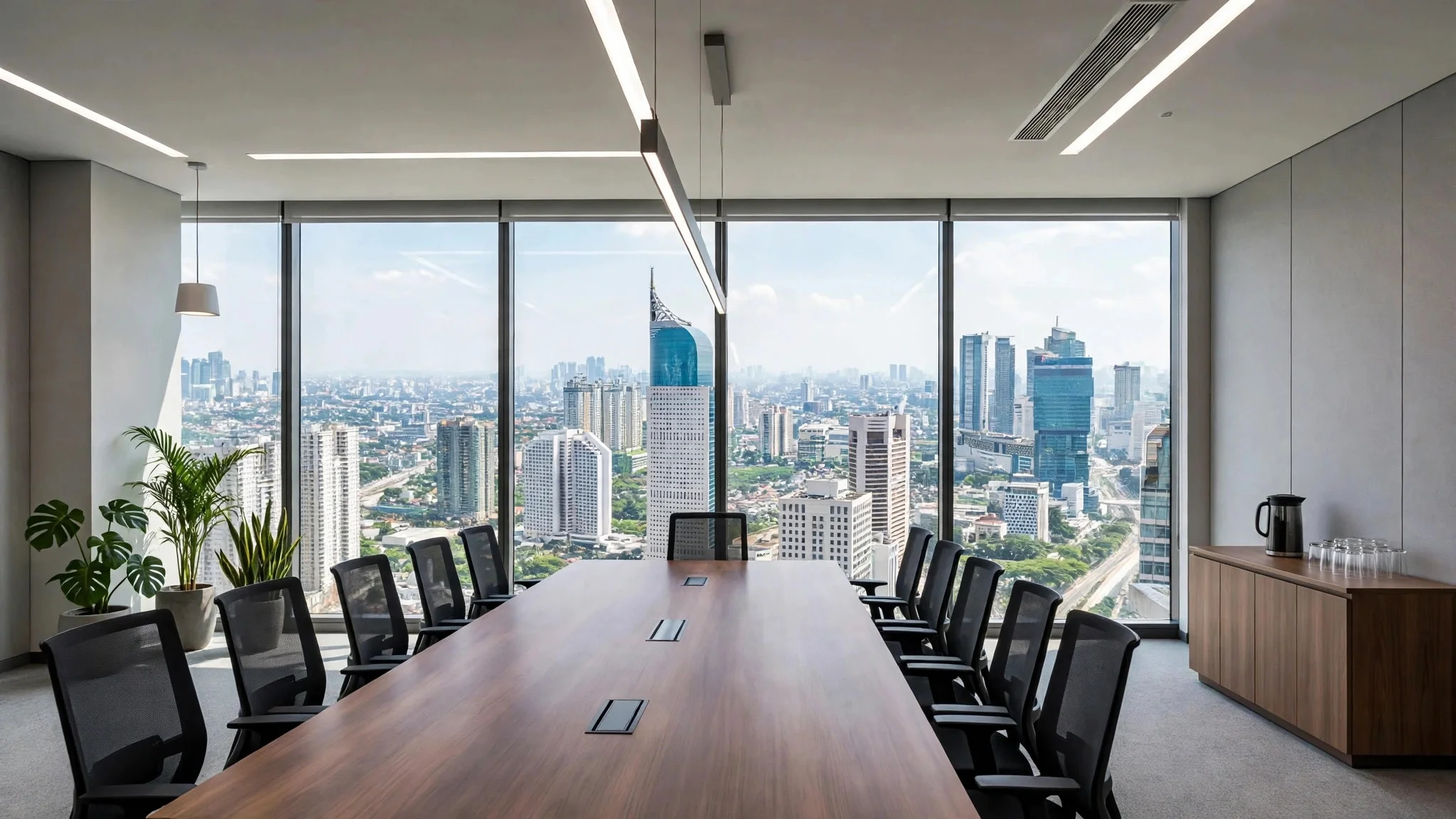
Doing business in Jakarta is about far more than contracts and price lists. Relationships come first, and the way you greet a partner, run a meeting, or handle a disagreement often matters more than the proposal itself. Visitors who understand the local culture build trust quickly, while those who rush straight to business can seem pushy without meaning to.
This guide explains the basics of Indonesian business etiquette: how to greet people, what to expect in meetings, how to dress, and how to handle time and hierarchy. Prices are in IDR with approximate USD equivalents, and practical tips cover the gear and connectivity you may need during a business trip.
Greetings and First Impressions
A handshake is the standard business greeting in Jakarta, usually light and brief, often followed by a slight nod or a hand placed over the heart as a sign of respect. Use titles such as Bapak for men and Ibu for women, followed by the person's first name, until they invite you to use their first name alone.
Business cards are exchanged with both hands or the right hand, and it is polite to take a moment to read the card before putting it away. Dress is smart and neat: a suit or a long-sleeved shirt for men, and modest business dress for women. Even in the tropical heat, most offices expect formal dress for first meetings.

How Meetings Work in Jakarta
Meetings often start with small talk about family, travel, or food before any business is discussed, and this warm-up is not wasted time: it is how trust is built. The most senior person usually speaks first, and decisions may take several meetings, because consensus matters more than speed.
Bring printed copies of your proposal, since some partners prefer paper to a screen, and be ready to explain your points slowly and clearly. If a partner says they will think about it, that usually means they need time to consult colleagues, not that they are refusing your offer.
Punctuality, Hierarchy, and Communication
Traffic in Jakarta is unpredictable, so plan to arrive early and allow extra time for every journey. Being a few minutes late is often forgiven, but arriving late without a message is not, so call or message your host as soon as you know you will be delayed.
Hierarchy shapes Indonesian workplaces: respect seniority, avoid open disagreement in front of a group, and raise sensitive points privately. Direct refusals are rare, so listen for soft phrases such as maybe or we will see, which often mean no. A calm, patient tone earns far more than pressure.
Dining, Gifts, and After-Hours Business
Business lunches and dinners are common, and the host usually orders shared dishes for the table. Wait until the most senior person starts eating, and try a little of everything offered. If your partner is Muslim, choose a halal restaurant, and never offer alcohol unless you are sure it is welcome.
Small gifts, such as a souvenir from your home country, are appreciated after a first meeting, but avoid anything expensive, which can feel awkward. Keep gifts modest and present them with both hands. Evening events are relaxed, and they are often the best time to deepen a business relationship.

Practical Tips: Connectivity, Gear, and Getting Around
A local SIM card with a data package, from around IDR 100,000 per month (roughly USD 6), keeps your maps and messaging apps working everywhere in the city. Your passport must be valid for at least six months when you enter Indonesia, and most business visitors enter on a visa on arrival or a business visa arranged in advance.
If you need a laptop, projector, or extra screen for meetings during your trip, consider renting equipment in Jakarta, since rental providers deliver to hotels and offices, usually ask for a passport, and charge a daily rate that depends on the model. Book early during conference season, when demand for meeting gear is highest.

Checklist Before You Book
Before you confirm a booking, double-check the number of units, the specifications, the rental period, and any delivery or collection fees. Make sure the written quote states what happens if a unit fails and how quickly a replacement arrives, so no surprise charge appears later and disrupts your budget.
Keep a copy of the quote, the handover note, and photos of the initial condition in one project folder. This record makes it easier for your finance team to check the invoice, speeds up any damage discussion, and gives you a tidy reference when you rent again for your next project.
Finally, name one person responsible for the whole rental period: the person who receives the units, checks their condition, and contacts the provider if anything goes wrong. One clear owner prevents confusion when teams change shifts, and ensures every unit returns in a properly recorded condition.
Ready to rent? Visit desasewaindonesia.com