Jakarta has quietly become a popular base for digital nomads and remote workers in Southeast Asia. The city offers fast fibre internet, affordable coworking spaces, and a huge choice of cafes. If your work only needs a laptop and a stable connection, Jakarta can be a productive place to spend a few weeks.
This guide covers where to find coworking spaces, what a day pass costs in rupiah and dollars, what to expect from the internet, the visa and passport rules that matter for foreign visitors, and how to arrange a laptop or extra gear if you travel light.
Where to Find Coworking Spaces in Jakarta
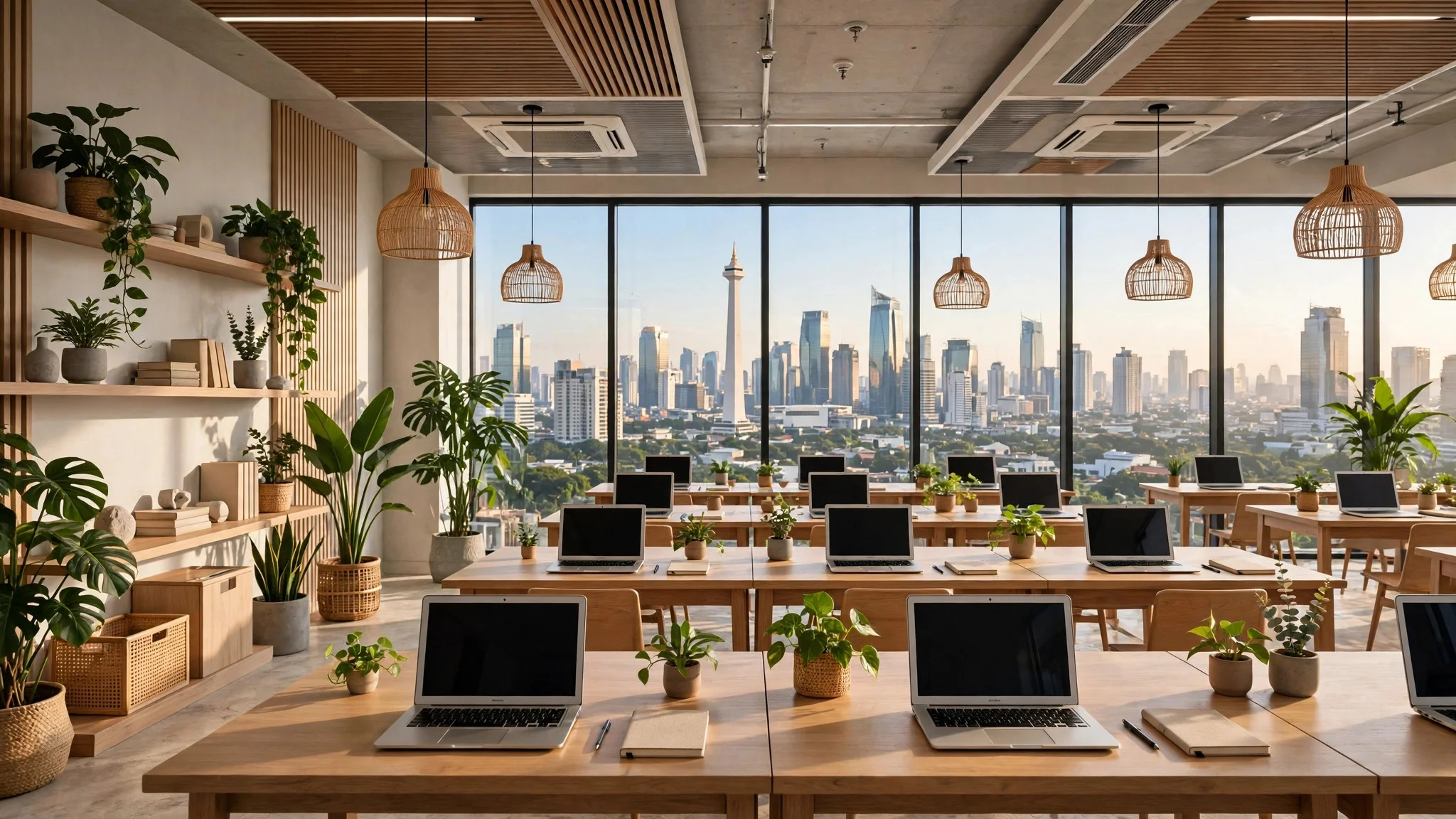
Most coworking spaces sit in South Jakarta and Central Jakarta, close to the MRT line and the main business districts. Kemang is popular for its relaxed streets and cafes, while Sudirman, Kuningan, and Thamrin suit workers who want to be near offices and meeting rooms.
Choose a space near your hotel or near an MRT station, because Jakarta traffic can turn a short trip into an hour-long ride. Many spaces offer a free trial day, so test the noise level, the chairs, and the WiFi before you pay for a week or a month. Ask whether it has private call booths, lockers, and a kitchen, and whether it stays open late.
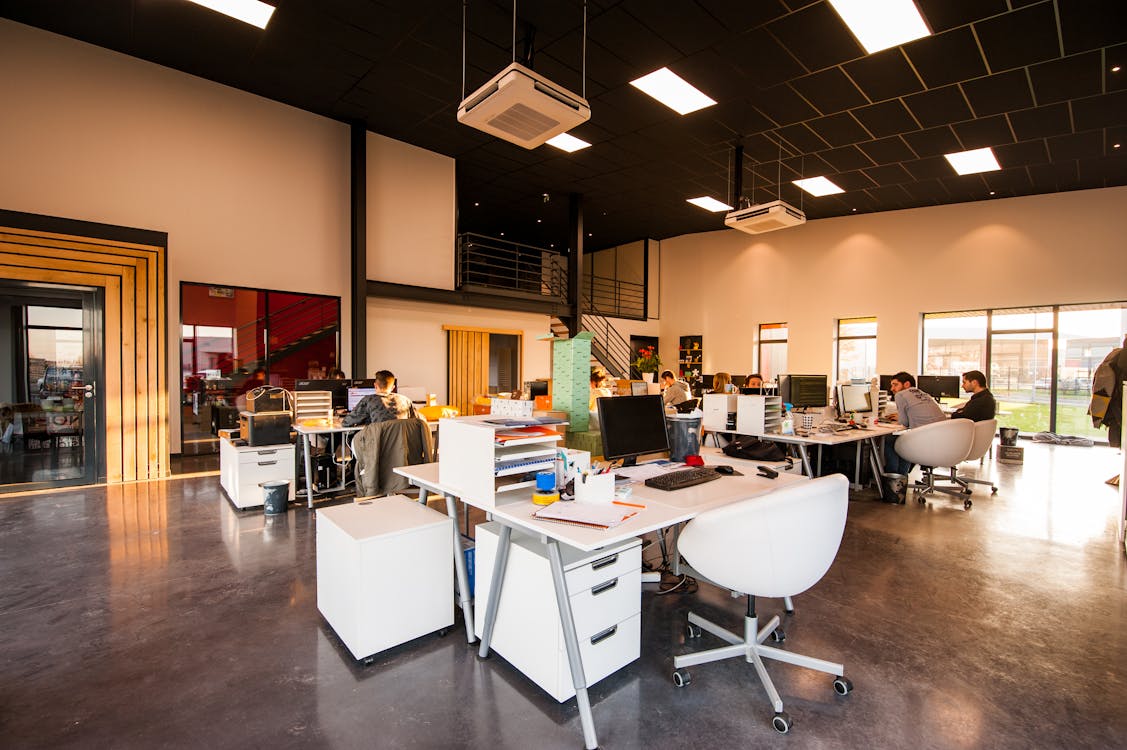
What a Day Pass Costs
A day pass at a Jakarta coworking space usually costs between IDR 100,000 and IDR 250,000 (roughly USD 6 to USD 15), depending on the area and the facilities. A monthly hot-desk membership generally runs from IDR 1,500,000 to IDR 3,500,000 (roughly USD 90 to USD 215), while a dedicated desk costs more. Meeting rooms are often charged separately, from around IDR 150,000 to IDR 300,000 per hour (roughly USD 9 to USD 18).
Day passes normally include WiFi, drinking water, and coffee or tea, plus a few pages of printing. Ask about discounts for weekly or monthly bookings before you pay.
Internet Speed, Power, and Practical Setup
Most established coworking spaces in Jakarta run on fibre connections with download speeds of 50 to 100 Mbps, which is enough for video calls, large uploads, and cloud work. Speeds can dip at peak hours, so run a quick speed test on your trial day. A pocket WiFi device rented for around IDR 50,000 per day (roughly USD 3) makes a good backup when you work from a cafe.
Indonesia uses 220-volt power with Type C and Type F plugs, the round two-pin style used across much of Europe, so travellers from Europe need no adapter, while visitors from the United States, the United Kingdom, or Australia should bring one. Carry a power bank, and keep your passport details and travel insurance saved on your phone.

Visas and Passport Rules for Remote Workers
Foreign visitors should sort out their visa before they settle into a work routine. Many nationalities can enter Indonesia visa-free for 30 days, while others can buy a visa on arrival for IDR 500,000 (roughly USD 30), which can be extended once for another 30 days. Your passport must be valid for at least six months, and officers may ask to see an onward ticket.
Working remotely for an employer or clients abroad while on a tourist visa sits in a grey area in Indonesia, so keep a low profile: do not take local employment, do not sign local contracts, and do not describe yourself as working in Indonesia if an officer asks about your trip. If you plan to stay longer than 60 days, look into a proper long-stay visa before you arrive. Carry a photocopy of your passport data page and entry stamp, and keep the original in your hotel safe.
Choosing the Right Space and Getting Your Gear There
The best coworking space is the one that fits your working style. If you take many video calls, pick a space with call booths or quiet rooms. If you prefer a social atmosphere, choose a larger space with shared tables and regular community gatherings. Visit two or three spaces in your first week, then commit to the one where you actually get work done.
If you travel light, you do not need to buy a laptop in Jakarta. One can be rented from around IDR 100,000 per day (roughly USD 6) and delivered to your hotel or coworking space, which is useful if your own machine breaks. Extra gear such as a pocket WiFi device or a projector can be rented the same way. Ask for delivery to your hotel reception or the coworking front desk, and confirm the return time when you book.

Ready to rent? Visit desasewaindonesia.com