
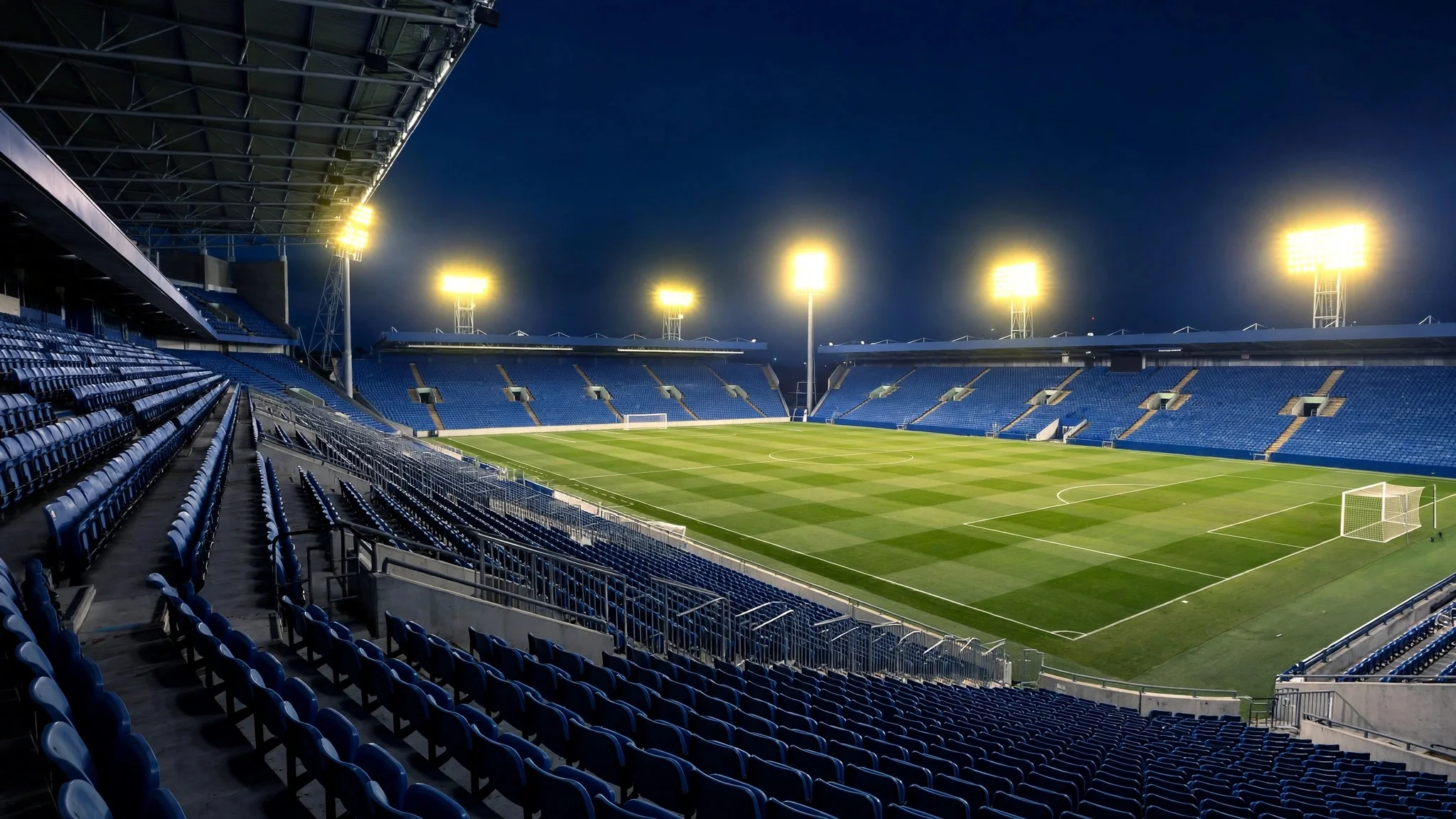
Football is the biggest sport in Indonesia, and a live match in Jakarta is one of the most memorable experiences a visitor can have: huge crowds, loud chanting, and an atmosphere that fills the whole stadium. The home team, Persija Jakarta, draws tens of thousands of fans to every home game.
This guide explains where to watch football and other live sports in Jakarta, the main stadiums, how to buy tickets, and what a matchday costs. Prices are in IDR with approximate USD equivalents, and fixtures change often, so always check the schedule before you plan your visit.
Football in Jakarta: Persija and the Big Matches
Persija Jakarta is one of the biggest clubs in Indonesia, with a loyal supporter base known for filling stadiums and singing for the full 90 minutes. The biggest fixture is the derby against Persib Bandung, which draws the largest crowds and the loudest atmosphere of the season.
The Indonesian league season usually runs from around August to May, with matches mostly on weekends and some weekday evenings. Smaller clubs and youth matches also play around the city, and watching one is a relaxed way to see local football without the big-match crowds.

The Main Stadiums: GBK and JIS
The Gelora Bung Karno Stadium (GBK) in Senayan is the historic home of Indonesian football, seating around 77,000 people, and it hosts the national team and the biggest club matches. It sits next to the MRT line, which makes getting there easy on matchdays.
The Jakarta International Stadium (JIS) in North Jakarta is the newer venue, seating around 82,000 people, and it hosts Persija home games and large events. JIS is further from the city centre, so allow extra travel time, and check which stadium your match uses before you leave.
How to Buy Tickets: Prices and Where to Get Them
Match tickets are usually sold online through the club or league ticketing platform, and buying in advance is strongly recommended for big games, which often sell out. Some tickets are also sold at the stadium on matchday, but the popular stands go first.
Ticket prices for a league match usually range from around IDR 50,000 (roughly USD 3) for the cheapest stands to around IDR 500,000 (roughly USD 30) for the best seats, with derby matches costing more. Bring your passport when you collect tickets, as some sellers check identity at the gate.
Other Live Sports: Badminton, Basketball, and More
Badminton is the other great Indonesian spectator sport, and Jakarta hosts international tournaments at the Istora Senayan arena, where you can watch the world's best players up close. Tickets for tournament days are usually affordable and easy to buy online.
Basketball is growing fast in the city, with the Indonesian Basketball League playing at arenas around Jakarta, and volleyball and futsal leagues also draw lively local crowds. A sports bar in Kemang or Senopati is a good fallback on days with no live match: big games are shown on large screens.

Practical Tips: Getting There, Safety, and What to Bring
Your passport must be valid for at least six months when you enter Indonesia, and carry a copy on your phone: ticket sellers and stadium staff sometimes ask for it. Arrive at least an hour before kick-off, because security checks and entry queues are slow for big matches.
Wear light clothes and bring a rain jacket, since afternoon showers are common, and keep valuables in a front pocket or a small bag. If you want to film the match or take photos, rental providers in Jakarta deliver cameras to hotels, usually ask for a passport, and charge a daily rate.

Checklist Before You Book
Before you confirm a booking, double-check the number of units, the specifications, the rental period, and any delivery or collection fees. Make sure the written quote states what happens if a unit fails and how quickly a replacement arrives, so no surprise charge appears later and disrupts your budget.
Keep a copy of the quote, the handover note, and photos of the initial condition in one project folder. This record makes it easier for your finance team to check the invoice, speeds up any damage discussion, and gives you a tidy reference when you rent again for your next project.
Finally, name one person responsible for the whole rental period: the person who receives the units, checks their condition, and contacts the provider if anything goes wrong. One clear owner prevents confusion when teams change shifts, and ensures every unit returns in a properly recorded condition.
Ready to rent? Visit desasewaindonesia.com






