
Jakarta Halal Food Guide: Best Halal Restaurants & Cafes for Muslim Tourists
Jakarta is one of the easiest capital cities in the world for Muslim travelers to eat well. With over 85 percent of Indonesia's population being Muslim, halal food is the default — not the exception. From smoky street-side satay to air-conditioned mall restaurants, finding delicious halal meals in Jakarta requires almost no effort. This guide helps you eat confidently, understand prices, and explore the city's best food districts during your stay.
Why Jakarta Is a Paradise for Halal Food
Unlike many world capitals where halal restaurants are a niche search, Jakarta's entire food culture is built around halal principles. Most warteg (economical rice stalls), rumah makan Padang (Minangkabau restaurants), and street food carts serve halal food by default. Restaurants that serve pork or alcohol are the rare exception and usually label themselves clearly. This means you can walk into almost any local eatery and order with confidence.
The city also hosts international halal certification. Look for the official Halal Indonesia logo issued by BPJPH on packaged foods and restaurant windows — it confirms the outlet has passed formal halal audits. Many larger restaurants display it prominently.

Nasi goreng — Indonesia's beloved fried rice, served with a fried egg — photo: Pexels
Must-Try Halal Dishes in Jakarta
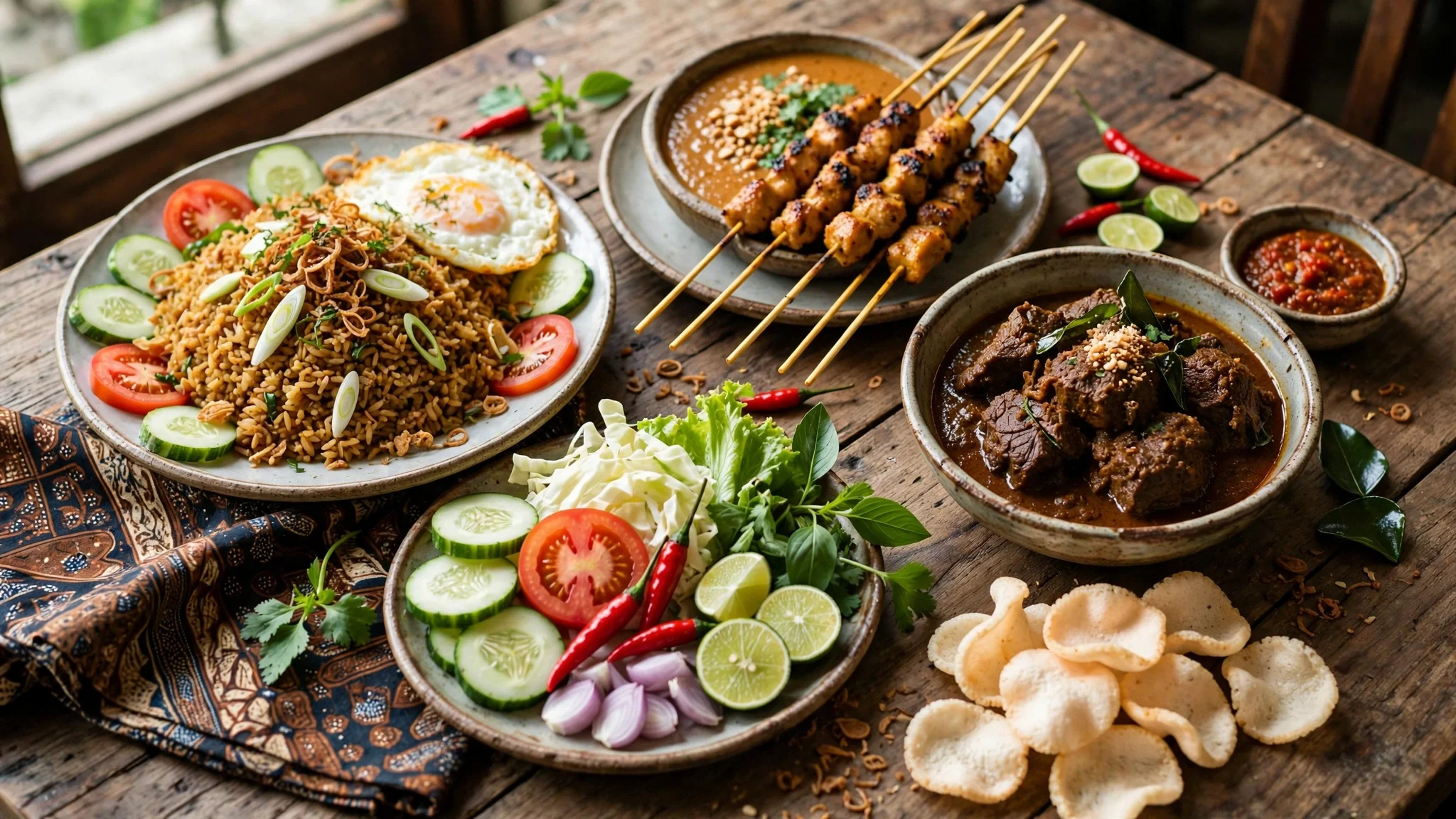
Start with the classics. Nasi goreng (fried rice with sweet soy sauce, usually topped with a fried egg and prawn crackers) costs around Rp25,000–Rp45,000 (about $1.60–$2.80) at street stalls and up to Rp80,000 (about $5.00) in restaurants. Sate ayam (chicken satay with peanut sauce) typically runs Rp30,000–Rp60,000 (about $1.90–$3.75) for a portion of ten skewers.
Rendang, the slow-cooked beef dish from West Sumatra once named one of the world's tastiest foods, is a must. A rendang meal with rice at a Padang restaurant costs around Rp35,000–Rp70,000 (about $2.20–$4.40). Also try soto Betawi, Jakarta's own coconut-milk beef soup (Rp30,000–Rp50,000, about $1.90–$3.10), and gado-gado, a vegetable salad with peanut dressing (Rp25,000–Rp40,000, about $1.60–$2.50).
Where to Eat: Food Districts & Price Guide
For street food, head to Jalan Sabang in Central Jakarta or the night stalls around Blok M in South Jakarta, where meals start from Rp20,000 (about $1.25). For a comfortable sit-down experience, malls like Grand Indonesia, Plaza Indonesia, and Kota Kasablanka house dozens of halal-certified restaurants with meals from Rp60,000–Rp150,000 (about $3.75–$9.40).
For a local experience, visit a rumah makan Padang — servers bring a spread of small dishes to your table and you pay only for what you eat. A satisfying Padang meal usually costs Rp40,000–Rp80,000 (about $2.50–$5.00). Upscale halal restaurants in hotels serve Indonesian and Middle Eastern cuisine from around Rp150,000 (about $9.40) per person.

A spread of traditional Indonesian dishes at a restaurant — photo: Pexels
How to Make Sure Your Food Is Halal
Although halal is the norm, a few simple habits keep you fully confident. First, look for the Halal Indonesia logo or the word "Halal" on signage and menus. Second, when in doubt, ask staff: "Apakah ini halal?" (Is this halal?). Most staff answer honestly and immediately. Third, be cautious with imported packaged snacks in convenience stores — check for halal certification on the label, especially for products containing gelatin or flavorings.
Alcohol is not served in the vast majority of Jakarta restaurants. Venues that do serve it are typically bars, nightclubs, or Western restaurants, which are clearly identifiable. Pork dishes are labeled "babi" (pork) on menus, so that single word is easy to spot and avoid.
Getting Around Jakarta's Food Scene
Jakarta's best food spots are spread across the city, so plan your transport. Ride-hailing apps work well for short hops, but if you want full freedom to chase food from Sabang to Kelapa Gading, consider renting a car with a driver for the day — typically Rp500,000–Rp800,000 (about $31–$50) for 8–10 hours. Many rental providers only ask for your passport as ID for foreign renters and can deliver the vehicle to your hotel or meet you at the airport.
Staying connected also matters: food delivery apps like GoFood and GrabFood let you order halal meals to your hotel room. Renting a portable pocket WiFi device (around Rp50,000–Rp80,000 or $3–$5 per day) keeps you online for maps, translation, and ordering wherever you roam.

Authentic Indonesian cuisine in a Jakarta restaurant — photo: Pexels
Ready to rent? Visit desasewaindonesia.com
Exploring Jakarta's halal food scene is easier with the right rental at hand — from pocket WiFi devices and smartphones to cars with drivers delivered straight to your hotel or the airport. Ready to rent? Visit desasewaindonesia.com and travel Jakarta with everything you need.






