Most first-time visitors to Jakarta tick off the same list: the National Monument, the old town square, and a big shopping mall. On a second or third trip, the city rewards a slower pace. Behind the main roads sit quiet kampung lanes, old shophouses, and neighbourhood markets that most tourists never see.
This guide is for repeat visitors who want a different Jakarta: hidden corners, local hangouts, and small places with real character. Prices are in IDR with approximate USD equivalents, plus practical tips on transport, safety, and gear for a day of exploring.
Kota Tua Beyond the Main Square
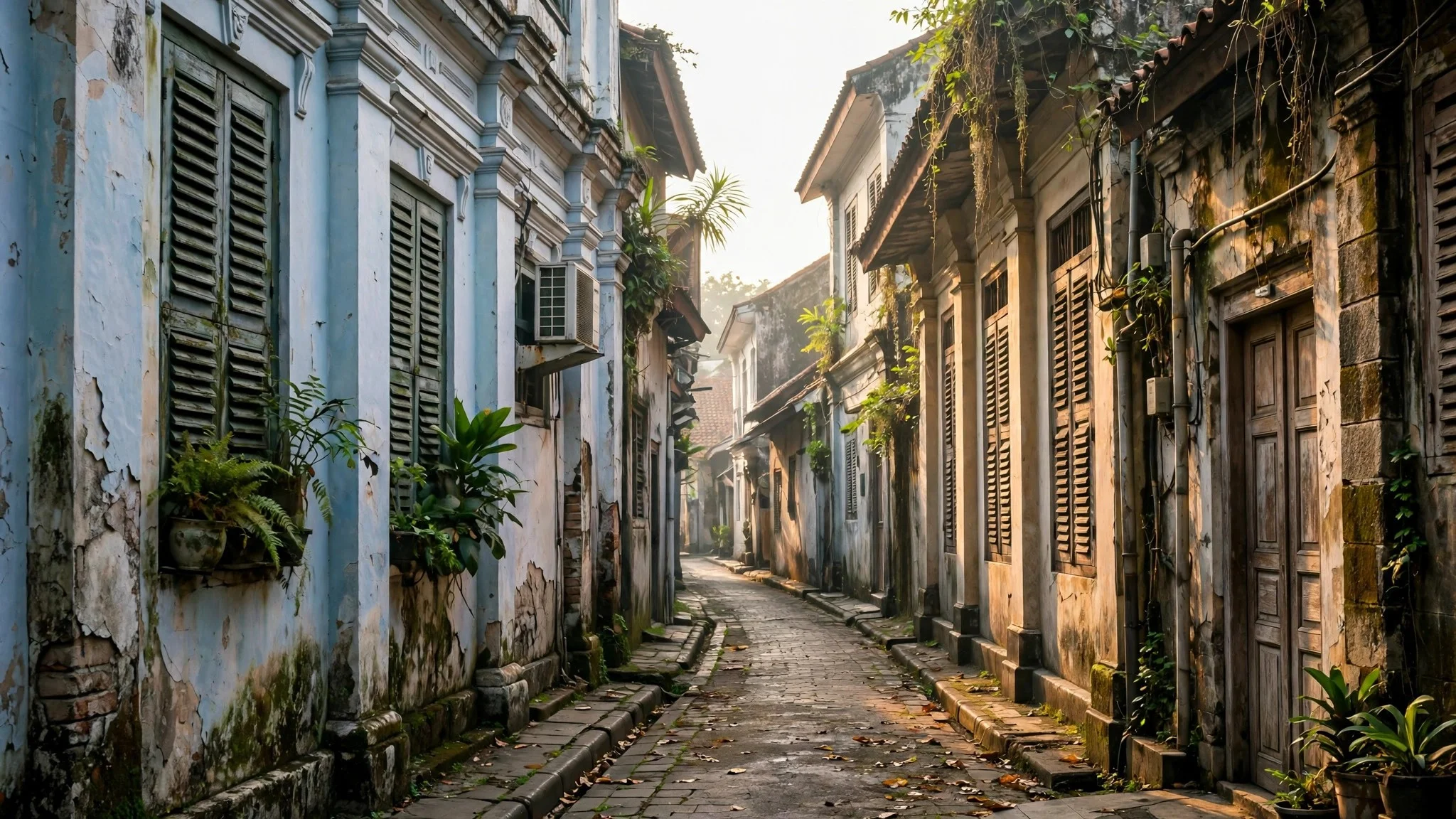
Kota Tua, the old town, is famous for its main square and the colonial-era museums around it, but the most interesting streets lie one or two blocks away. Walk down Jalan Kali Besar, the old canal street, where Dutch warehouses stand beside small cafes. Go early in the morning, when the streets are quiet.
Look for the small museums tucked into side streets, such as the puppet museum and the fine arts museum, which are far less crowded than the main square. Entry usually costs around IDR 5,000 to IDR 15,000 (less than USD 1). Allow two to three hours.

Kampung Lanes and Riverside Walks
A kampung is a dense, low-rise neighbourhood where daily life happens on the street: food stalls, playing children, and neighbours chatting from doorways. Areas such as Kemang Dalam and the lanes behind Pasar Baru are safe to walk during the day, and a short stroll shows a side of Jakarta that no mall can offer.
The riverside paths along the Ciliwung and the canals of Kota Tua are best walked in the morning, before the heat builds. Bring water and keep your phone and wallet in a front pocket or a small bag. If a local invites you to sit for tea, accept: it is the fastest way to learn about the neighbourhood.
Hidden Eats: Where Locals Actually Go
Some of the best food in Jakarta comes from tiny stalls with no sign in English and no menu at all. In Glodok, the old Chinatown, look for noodle stalls and bakeries that have served the same recipes for decades. In Pasar Santa, a small market in South Jakarta, young vendors sell snacks and coffee from around IDR 15,000 to IDR 40,000 (roughly USD 1 to USD 2.50).
Ask your hotel staff for one recommendation, then follow the crowd: a stall with a queue of office workers at lunchtime is almost always good. Carry small cash, since most stalls do not take cards, and try one new dish at a time if you are unsure about spice.
Markets, Antiques, and Old Shops
For something to take home, skip the mall souvenirs and head to the antique shops of Jalan Surabaya, a quiet street lined with stalls selling old maps, vinyl records, batik cloth, and wooden carvings. Prices are negotiable, so start at about half the asking price and settle in the middle, politely.
Pasar Baru, one of the oldest shopping streets in the city, is good for textiles, shoes, and tailoring, with fabric shops run by the same families for generations. A simple shirt can be tailored in two or three days for around IDR 300,000 to IDR 600,000 (roughly USD 18 to USD 36), fabric included.

Practical Tips: Getting Around, Staying Safe, and Gear
Your passport must be valid for at least six months when you enter Indonesia, and you should carry a photocopy while exploring, keeping the original in your hotel safe. Ride-hailing apps work well between neighbourhoods, with short trips costing around IDR 15,000 to IDR 40,000 (roughly USD 1 to USD 2.50), while the MRT and commuter train cover the main north-south corridor.
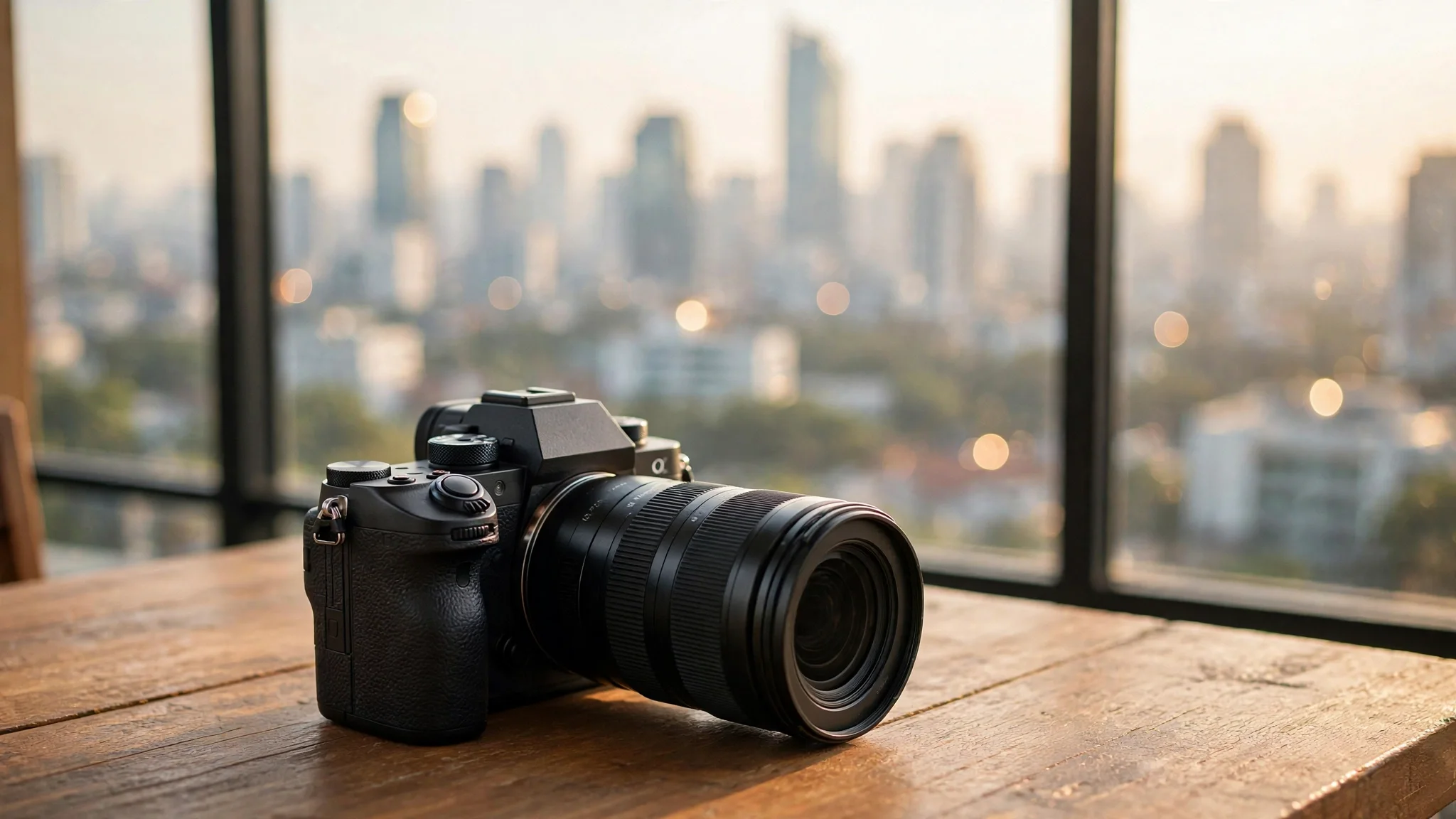
A local SIM card with data, from around IDR 100,000 per month (roughly USD 6), keeps your maps working as you wander. If you plan to photograph the old streets, consider renting a camera in Jakarta: rental providers deliver to hotels, usually ask for a passport, and charge a daily rate.

Checklist Before You Book
Before you confirm a booking, double-check the number of units, the specifications, the rental period, and any delivery or collection fees. Make sure the written quote states what happens if a unit fails and how quickly a replacement arrives, so no surprise charge appears later and disrupts your budget.
Keep a copy of the quote, the handover note, and photos of the initial condition in one project folder. This record makes it easier for your finance team to check the invoice, speeds up any damage discussion, and gives you a tidy reference when you rent again for your next project.
Finally, name one person responsible for the whole rental period: the person who receives the units, checks their condition, and contacts the provider if anything goes wrong. One clear owner prevents confusion when teams change shifts, and ensures every unit returns in a properly recorded condition.
Ready to rent? Visit desasewaindonesia.com