
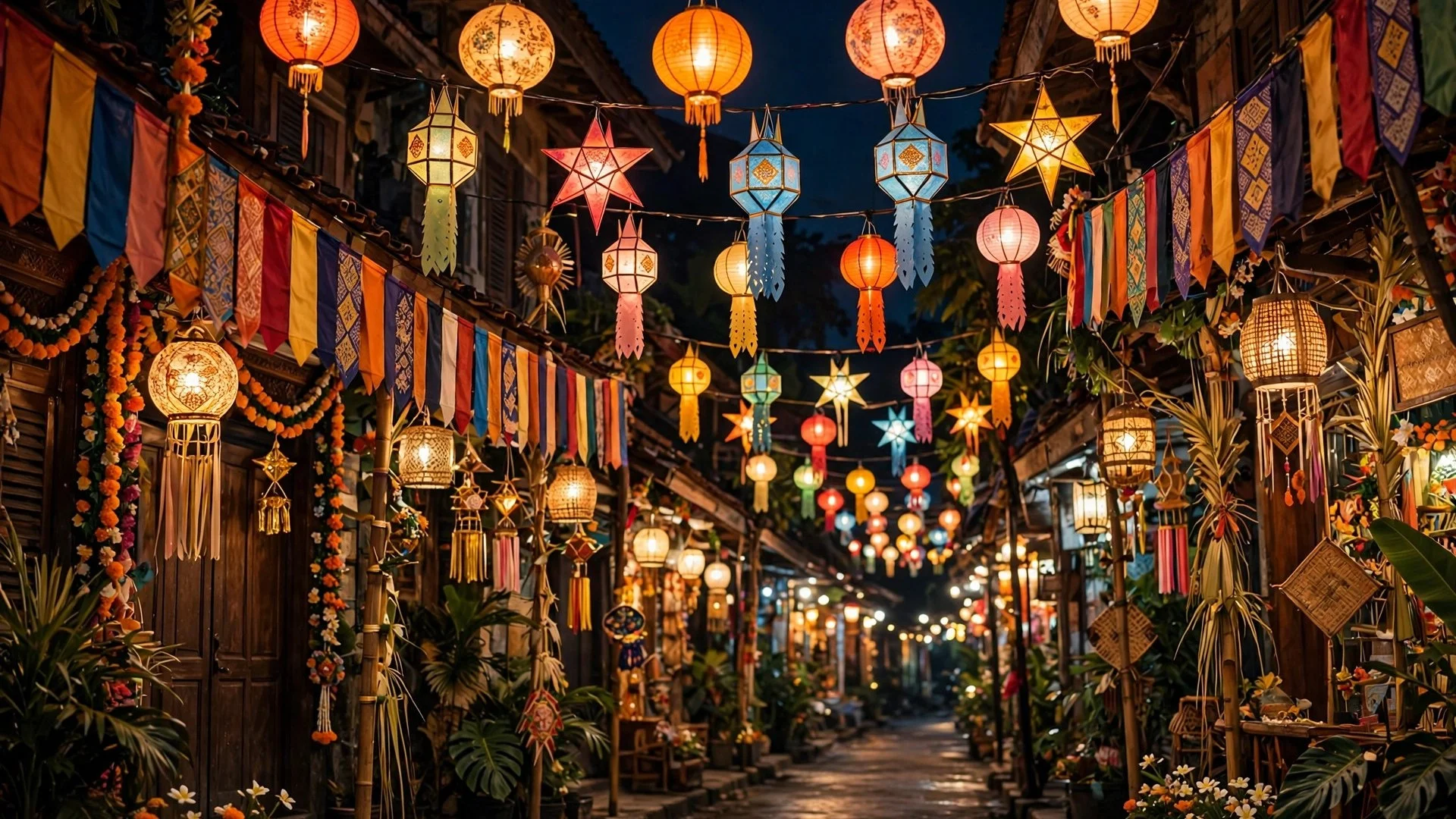
Indonesia has one of the longest public holiday lists in Southeast Asia, with around 16 national holidays each year plus extra joint leave days that stretch weekends into long breaks. For tourists, this is both an opportunity and a warning: holidays bring colourful festivals and celebrations, but they also bring crowds, higher hotel prices, and packed transport.
This guide explains the holidays that matter most for a Jakarta trip, the festivals worth planning around, and how to time your visit so you enjoy the celebrations without getting caught in the rush. Dates for religious holidays shift each year, so always check the official calendar for your travel year before booking.
Indonesia's National Public Holidays
Fixed-date holidays include New Year's Day on 1 January, Independence Day on 17 August, and Christmas Day on 25 December. These are national holidays, which means government offices and many businesses close, while malls, restaurants, and tourist attractions usually stay open. Independence Day is a lively time to be in Jakarta, with flag ceremonies, street decorations, and neighbourhood games and parades across the city.
Religious holidays make up most of the list, reflecting Indonesia's diversity. They include Eid al-Fitr and Eid al-Adha, Nyepi (the Balinese Day of Silence), Vesak Day, Good Friday, the Ascension of Jesus Christ, and Chinese New Year.

Joint Leave Days and Long Weekends
On top of national holidays, the Indonesian government announces joint leave days, known as cuti bersama, usually attached to major holidays such as Eid al-Fitr and Christmas. These extra days turn a single holiday into a long weekend of three to five days, and sometimes into a full week off around Eid. Many Jakarta residents use this time to travel home to their villages, a tradition called mudik, so the city becomes noticeably quieter while highways and airports become very busy.
For visitors, the days just before and after a joint leave period are the hardest for travel. Flights and trains sell out early, and ticket prices rise. If your trip overlaps with a long weekend, book transport and hotels as early as you can, and allow extra time for airport queues.
Jakarta's Big Annual Festivals and Events
The city's own birthday, Jakarta Anniversary on 22 June, is the biggest local celebration of the year. Expect street parades, free performances, night markets, and special events around Monas and Kota Tua, the old town. The Jakarta Fair, held at JIExpo Kemayoran around June and July, is a huge trade and entertainment fair with food stalls, exhibitions, and evening shows that runs for several weeks.
Other highlights include the Jakarta International Java Jazz Festival, usually held in May or June, and the food and cultural festivals that pop up in malls and public squares throughout the year. Chinese New Year brings lion dance performances and red lanterns to Glodok, Jakarta's Chinatown, while the fasting month of Ramadan fills the evenings with night markets selling food for breaking the fast.
Religious Holidays and What Changes
During Ramadan, daily life in Jakarta shifts to a later rhythm. Many restaurants open for lunch as usual, but the city comes alive after sunset, when families gather to break the fast and night markets fill with food stalls. Traffic is heavy in the late afternoon as people rush home, so plan your travel before 4 pm or after 8 pm if you can.
Eid al-Fitr itself is a family holiday, and many small shops and street food stalls close for a few days while their owners travel home. Malls and large restaurants generally stay open, and hotels run normally. If you are flying through Bali around Nyepi, remember that the island's airport closes for 24 hours.

Planning Your Trip Around the Calendar
The best way to enjoy Jakarta's festive side is to arrive a day or two before a big event, so you can settle in before the crowds peak. Hotel prices in central Jakarta can rise by 20 to 50 percent around long weekends and major festivals, and popular hotels near Monas and Kota Tua book out early, so reserve well ahead if your dates are fixed.
If you want to capture the celebrations, a good camera is worth bringing, and you can rent one in Jakarta from around IDR 150,000 per day (roughly USD 9). A laptop is handy too for backing up photos and staying in touch, with rentals from around IDR 100,000 per day (roughly USD 6). Keep your passport with you during festivals, carry water and a power bank, and save your hotel address on your phone, because ride-hailing prices surge when events finish and everyone leaves at once.
Ready to rent? Visit desasewaindonesia.com






