
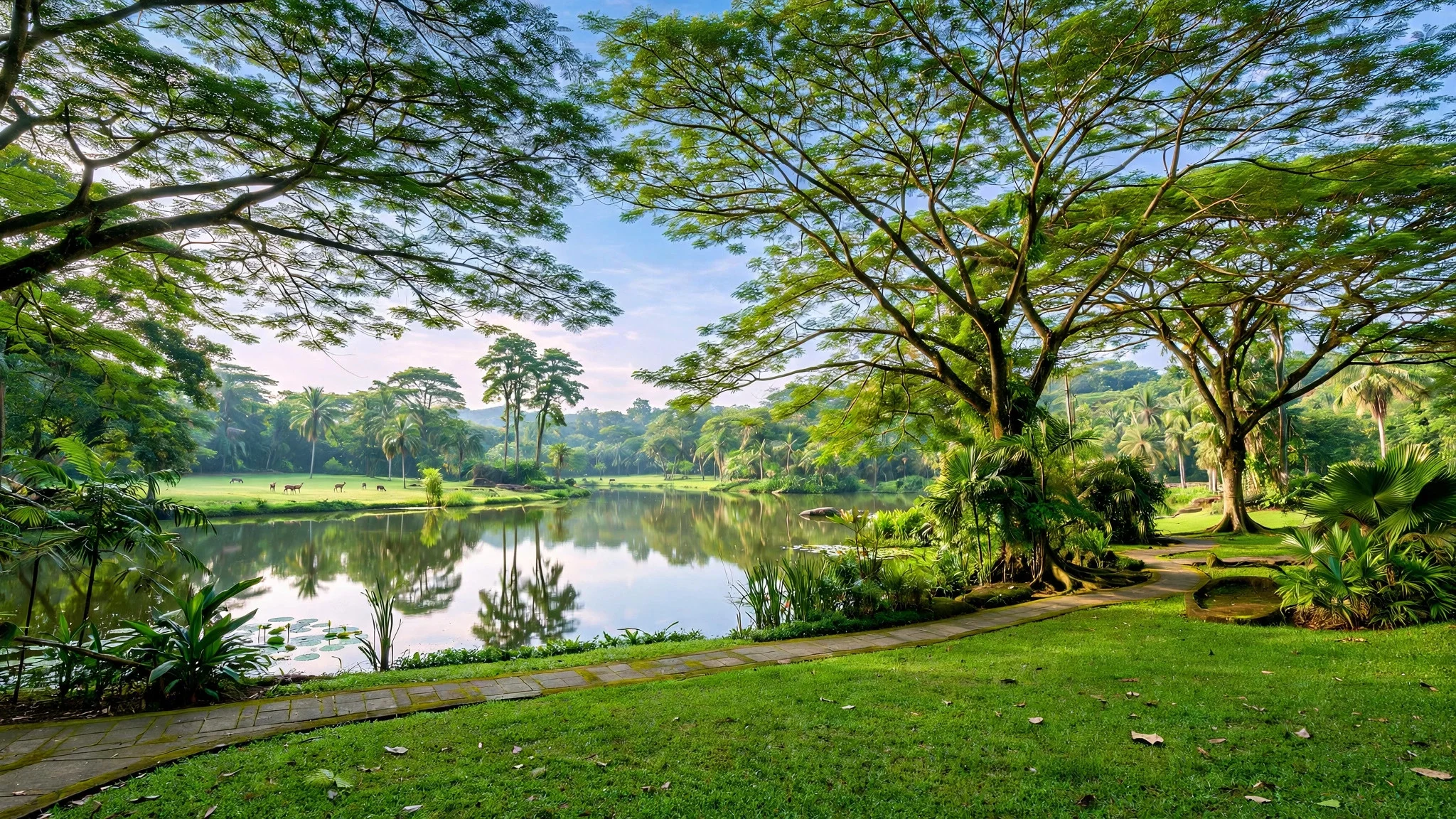
Ragunan Zoo sits in Pasar Minggu, South Jakarta, and it is one of the oldest zoos in Indonesia, first opened in 1864 and moved to its current 140-hectare site in 1966. It is a green escape from the city traffic, with shaded paths, lakes, and more than 2,000 animals, and it works well as a relaxed half-day outing for families and first-time visitors.
This guide explains how to get there, what tickets cost in rupiah and approximate US dollars, which animals are worth your time, and what facilities to expect. Prices are approximate and can change, so confirm the latest rates at the gate or on the zoo's official channels before you go.
Getting There: Location, Transport, and Opening Hours
The zoo is in Pasar Minggu, South Jakarta, about 30 to 60 minutes by car from Central Jakarta depending on traffic. The easiest public route is the KRL Commuterline to Pasar Minggu station, followed by a short ride-hailing trip to the main gate, while TransJakarta buses also stop near the area.
Ragunan Zoo is usually open daily from around 7 in the morning until 4 in the afternoon, with ticket sales stopping earlier in the day. Weekends and public holidays are busy, so arrive before 9 am for cooler air, shorter queues, and animals that are more active.

Tickets and Prices for Foreign Visitors
Entrance usually costs from around IDR 4,000 for local visitors, while foreign visitors usually pay from around IDR 20,000 to IDR 30,000 (roughly USD 1 to USD 2). Children usually pay less, and some attractions inside the zoo, such as the primate centre and animal rides, charge small extra fees.
Tickets are usually bought at the gate, and cash in small notes helps because card machines can be slow. Keep your ticket until you leave, since staff may check it at some indoor exhibits, and bring a copy of your passport on your phone in case the ticket counter asks for ID.
Animals to See: Highlights of the Zoo
The zoo's best-known residents include Sumatran elephants, orangutans, Komodo dragons, and giraffes, plus a large bird collection and a primate centre with several species of monkeys and apes. The elephant area and the primate centre are the most popular stops, so visit them early before the crowds arrive.
Allow at least two to three hours to walk the main paths, and use the small train or shuttle that runs inside the grounds if you travel with children. Feeding times are the best moments to see the animals active, so ask staff at the gate for the day's schedule when you arrive.
Facilities: Food, Strollers, and Rest Areas
Inside the zoo you will find food stalls and small restaurants serving Indonesian dishes, drinks, and snacks, with a simple meal usually costing from around IDR 25,000 to IDR 60,000 (roughly USD 2 to USD 4). There are also shaded rest areas, prayer rooms, and toilets spread around the grounds.
Strollers are useful if you visit with small children, because the paths are long and the ground is uneven in places. Bring a hat, sunscreen, and water, and rent a small umbrella at the gate if the forecast shows rain, since most paths are outdoors.

Practical Tips: Passport, Timing, and Rental Gear
Your passport must be valid for at least six months when you enter Indonesia, and carry a copy on your phone: hotels and rental providers often ask for it. Weekdays are much quieter than weekends, and the morning is the best time for photos, because the light is softer and the animals are awake.
Wear comfortable walking shoes, bring a rain jacket in the wet season, and keep valuables in a front pocket or a small bag. If you want good photos, rental providers in Jakarta deliver cameras to hotels, usually ask for a passport, and charge a daily rate.

Checklist Before You Book
Before you confirm a booking, double-check the number of units, the specifications, the rental period, and any delivery or collection fees. Make sure the written quote states what happens if a unit fails and how quickly a replacement arrives, so no surprise charge appears later and disrupts your budget.
Keep a copy of the quote, the handover note, and photos of the initial condition in one project folder. This record makes it easier for your finance team to check the invoice, speeds up any damage discussion, and gives you a tidy reference when you rent again for your next project.
Finally, name one person responsible for the whole rental period: the person who receives the units, checks their condition, and contacts the provider if anything goes wrong. One clear owner prevents confusion when teams change shifts, and ensures every unit returns in a properly recorded condition.
Ready to rent? Visit desasewaindonesia.com






