
Jakarta can feel overwhelming at first: a huge, busy city of more than ten million people, with traffic that never really stops and neighbourhoods that change character from one street to the next. For women travelling alone, that first impression raises a fair question: is it safe, and what should you know before you arrive?
The short answer is yes, with the same common sense you would use in any big city. Most solo female visitors have a smooth, enjoyable trip, especially when they plan their transport, choose their neighbourhood well, and dress in line with local norms. This guide covers safety, transport, hotels, and practical tips, with prices in rupiah and approximate US dollars.
Is Jakarta Safe for Solo Female Travellers?
Jakarta is generally safe for women travelling alone, and street harassment is less common here than in many other large Asian cities. Most locals are polite and helpful to visitors who look lost. That said, crowded places such as busy markets and packed buses need the usual care.
At night, stick to well-lit main streets and busy areas, and use ride-hailing cars rather than walking alone through quiet side streets. If someone makes you uncomfortable, a firm 'tidak' (no) and stepping into the nearest shop or hotel lobby usually ends the situation. Save the local emergency number 112 on your phone before you go out.

Getting Around: Transport Tips for Women Travelling Alone
Ride-hailing cars are the most comfortable option for solo women, with fares from Central Jakarta to most places costing from around IDR 30,000 to IDR 100,000 (roughly USD 2 to USD 6). The app shows the driver, plate number, and fare before you book, and you can share your trip live with a friend.
The MRT and TransJakarta buses are safe, cheap, and well-lit, with fares from around IDR 3,500 to IDR 14,000 (less than USD 1). Women-only carriages run on some commuter trains at rush hour. Avoid unmetered street taxis, and agree the price in advance if you ever take one.
Where to Stay: Safe Neighbourhoods and Hotels
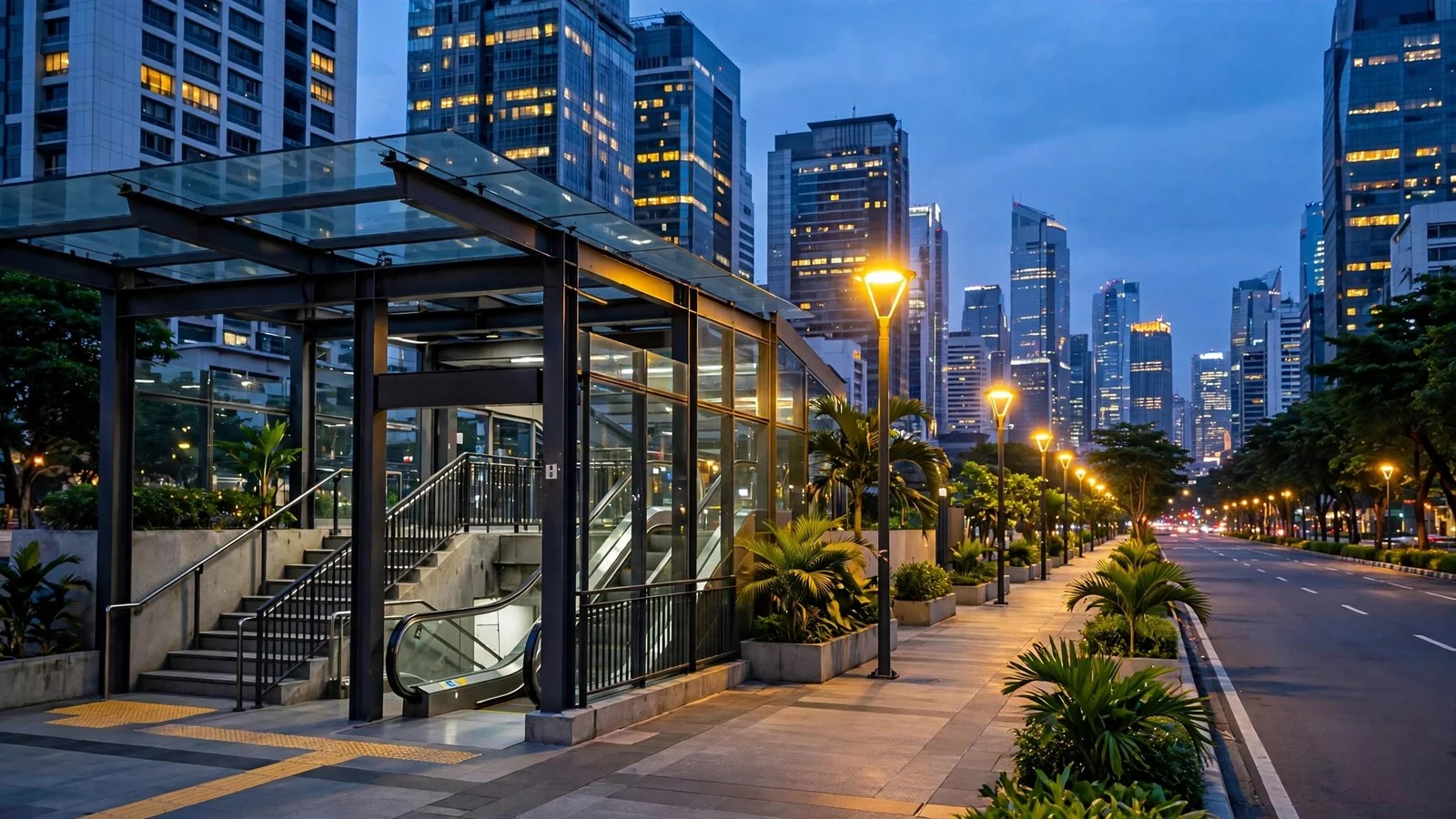
Central Jakarta, around Thamrin, Sudirman, and Menteng, is the safest bet for a first solo trip, with good lighting, hotels with 24-hour reception, and the MRT nearby. A mid-range hotel room there usually costs from around IDR 600,000 to IDR 1,200,000 per night (roughly USD 36 to USD 72).
South Jakarta, around Kemang and Senopati, suits travellers who want cafes, restaurants, and a relaxed evening scene within walking distance. Budget guesthouses and hostels with female-only dorms start from around IDR 150,000 to IDR 350,000 per night (roughly USD 9 to USD 21). Read recent reviews from other solo women before you book.
What to Wear and Local Customs to Know
Jakarta is a modern city, and you will see every style of dress, but modest clothing earns you an easier time, especially outside the malls and hotels. Light trousers or a long skirt, plus a top that covers your shoulders, work well for sightseeing, and carry a light scarf for visits to mosques and other religious sites.
A smile and a polite greeting go a long way: a simple 'selamat pagi' (good morning) opens doors, and most people respond warmly. Public displays of affection are best kept discreet, and alcohol is only served in licensed venues, so plan your evenings around hotels and restaurants.

Practical Tips: Passport, Connectivity, and Rental Gear
Your passport must be valid for at least six months when you enter Indonesia, and carry a copy on your phone: hotels and rental providers often ask for it. Buy a local SIM card or an eSIM at the airport for from around IDR 100,000 to IDR 200,000 (roughly USD 6 to USD 12), so you always have data for maps and ride-hailing.
Keep your hotel address saved in Indonesian on your phone, and keep small cash notes for street food and small shops. If you travel light, rental providers in Jakarta deliver cameras and laptops to hotels, usually ask for a passport, and charge a daily rate.

Checklist Before You Book
Before you confirm a booking, double-check the number of units, the specifications, the rental period, and any delivery or collection fees. Make sure the written quote states what happens if a unit fails and how quickly a replacement arrives, so no surprise charge appears later and disrupts your budget.
Keep a copy of the quote, the handover note, and photos of the initial condition in one project folder. This record makes it easier for your finance team to check the invoice, speeds up any damage discussion, and gives you a tidy reference when you rent again for your next project.
Finally, name one person responsible for the whole rental period: the person who receives the units, checks their condition, and contacts the provider if anything goes wrong. One clear owner prevents confusion when teams change shifts, and ensures every unit returns in a properly recorded condition.
Ready to rent? Visit desasewaindonesia.com






