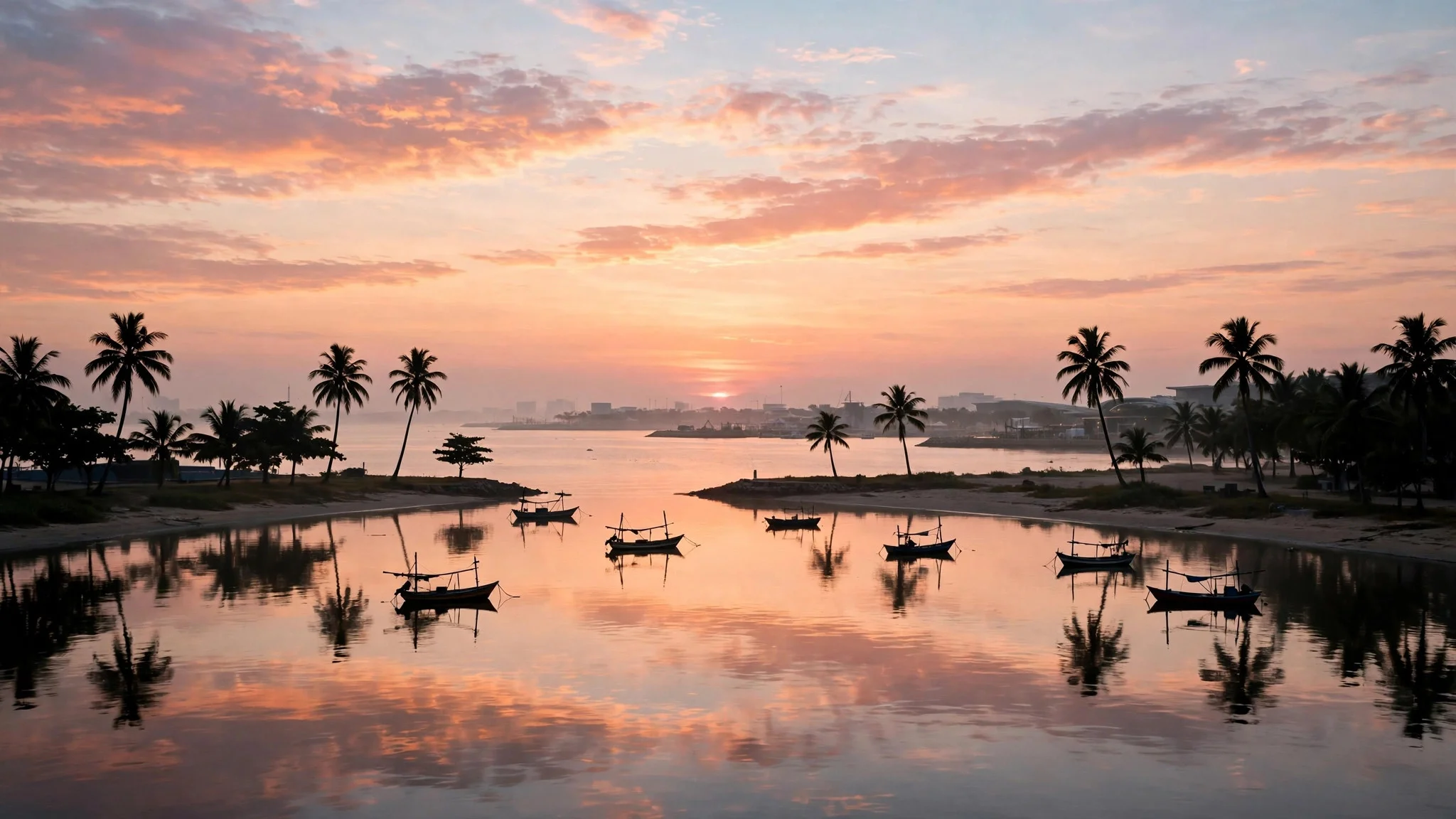
Jakarta wakes up early, and the hours before 8 a.m. are the most pleasant part of the day. The air is cooler, the traffic is lighter, and the light is soft, which makes the early morning the best time for a walk, a run, or a visit to a market.
This guide explains where to watch the sunrise, which parks and markets are worth an early visit, and how to plan a morning that ends before the midday heat. It also covers practical details such as safety, transport, and what to pack for a dawn start.
Why Jakarta Is Worth an Early Start
Most visitors sleep through Jakarta's best hours, because the city is at its calmest between 5 a.m. and 8 a.m. The streets are quiet, the parks fill with people exercising, and the food stalls open with the day's first dishes, so an early start gives you a version of the city that most tourists never see.
An early morning also helps you beat the heat, since the temperature climbs quickly after 10 a.m. and the humidity makes long walks uncomfortable. Plan your sightseeing for the morning, rest in the middle of the day, and return to the streets in the late afternoon, when the light softens again.

The Best Sunrise Spots in the City
For a sunrise over the water, head to the Ancol waterfront in North Jakarta, where the sun rises over Jakarta Bay and fishing boats return to the harbour. Arrive by 5.30 a.m., bring a light jacket for the sea breeze, and expect a quiet promenade before the beach crowds arrive.
Inside the city, the rooftop of a hotel or the open lawns of Merdeka Square give a wide view of the skyline as the sun comes up. For a green sunrise, try the paths around the National Monument or the lakeside at Taman Mini, where the light reflects off the water and the birds are most active.
Early Morning Markets and Street Food
Jakarta's traditional markets open before dawn, and a morning visit is the best way to see the city at work. Traders unload vegetables, fish, and flowers, and small stalls sell breakfast dishes such as bubur ayam and nasi uduk for around IDR 10,000 to IDR 25,000 (roughly USD 1 to USD 2).
Bring small cash notes, since most market stalls do not accept cards, and arrive before 7 a.m. for the freshest produce and the liveliest atmosphere. Keep your bag in front of you in busy lanes, and ask the stall owner before taking close-up photos of their goods.
Morning Parks, Runs, and Cycling Routes
Car-free Sunday mornings close the main roads of Central Jakarta to traffic, and the streets fill with runners, cyclists, and families from 6 a.m. to 11 a.m. It is the best time of the week for a run or a ride, and you can rent a bicycle at the meeting point for around IDR 50,000 to IDR 100,000 (roughly USD 3 to USD 6).
On other days, the parks around Gelora Bung Karno and the paths of Taman Suropati are good for a morning jog, with flat routes and shade from the trees. Bring water and wear light clothing, since the humidity rises quickly even in the early hours, and carry a small bag for your phone and hotel key.

Practical Tips for Early Mornings
Set an alarm the night before and arrange your transport in advance, since ride-hailing is available at dawn but can be slower outside the centre. Tell your hotel reception that you plan an early start, so they can arrange a wake-up call or a packed breakfast if you leave before the restaurant opens.
Keep your phone charged for maps, photos, and ride-hailing, and consider renting a pocket WiFi or smartphone in Jakarta so you can check sunrise times and transport from anywhere. If you are travelling with a group, agree on a meeting point the night before, since the early morning light changes quickly.

Checklist Before You Book
Before you confirm a booking, double-check the number of units, the specifications, the rental period, and any delivery or collection fees. Make sure the written quote states what happens if a unit fails and how quickly a replacement arrives, so no surprise charge appears later and disrupts your budget.
Keep a copy of the quote, the handover note, and photos of the initial condition in one project folder. This record makes it easier for your finance team to check the invoice, speeds up any damage discussion, and gives you a tidy reference when you rent again for your next project.
Finally, name one person responsible for the whole rental period: the person who receives the units, checks their condition, and contacts the provider if anything goes wrong. One clear owner prevents confusion when teams change shifts, and ensures every unit returns in a properly recorded condition.
Ready to rent? Visit desasewaindonesia.com