
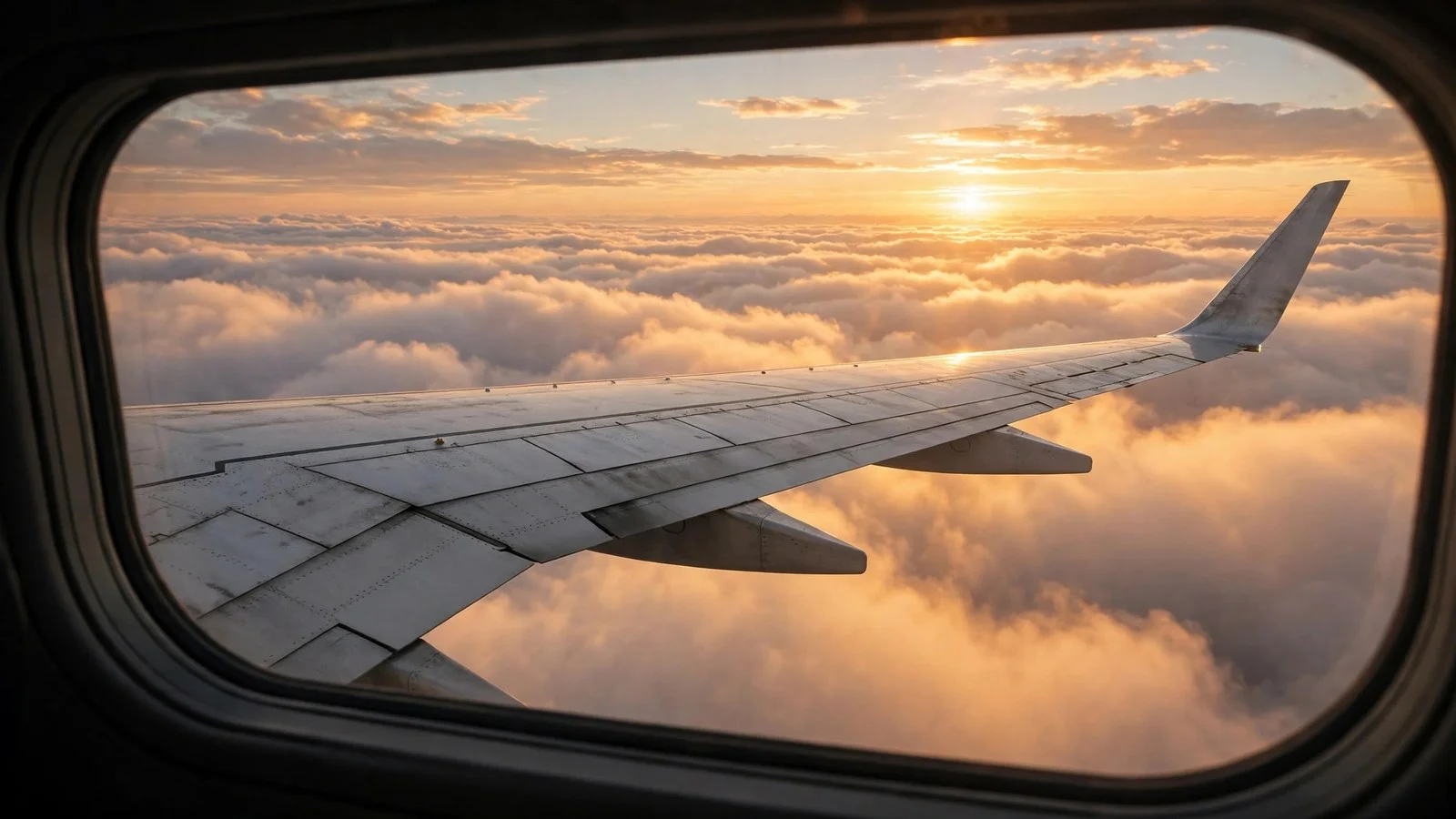
Vietnam is one of Jakarta's closest neighbours in Southeast Asia, with direct flights from Ho Chi Minh City and Hanoi taking around three hours. Many Vietnamese visitors come for weekend shopping, food, business, and family trips, and the familiar tropical weather makes the city easy to settle into.
This guide covers flights, visa and passport rules, where to stay, how to get around, and a simple weekend plan, with prices in rupiah and approximate US dollars. It is written for first-time visitors travelling from Vietnam to Jakarta.
Flights from Vietnam: Routes, Airlines, and Fares
Direct flights link Ho Chi Minh City's Tan Son Nhat Airport and Hanoi's Noi Bai Airport with Jakarta's Soekarno-Hatta Airport, with a flight time of about three hours. Return fares usually start from around IDR 2,500,000 to IDR 5,000,000 (roughly USD 150 to USD 300), depending on the airline, the season, and how early you book.
Budget airlines usually offer the lowest fares but charge extra for checked bags and seat selection, while full-service carriers include bags and meals. Book at least three to four weeks ahead for the best prices, and avoid Friday evenings and Sunday nights, when fares are usually highest.

Visa and Passport Rules for Vietnamese Visitors
Vietnamese passport holders can enter Indonesia visa-free for up to 30 days for tourism, under the ASEAN visa exemption, and the stay cannot be extended on a visa-free entry. Your passport must be valid for at least six months from your arrival date, and you may be asked to show a return ticket.
If you plan to stay longer than 30 days, apply for a visa on arrival instead, which costs around IDR 500,000 (roughly USD 30) and can be extended once for another 30 days. Carry a copy of your passport on your phone, because hotels and rental providers often ask for it.
Where to Stay: Best Areas for a First Visit
Central Jakarta, around Thamrin, Sudirman, and Menteng, suits first-time visitors, with malls, restaurants, and the MRT close by. A mid-range hotel room there usually costs from around IDR 600,000 to IDR 1,200,000 per night (roughly USD 36 to USD 72), including breakfast at many hotels.
South Jakarta, around Kemang and Senopati, is better for cafes, food, and a relaxed evening scene, while North Jakarta suits travellers who want to be near the coast and Ancol. Book a hotel near an MRT or TransJakarta stop, because it makes the whole trip much easier.
Getting Around: Airport Transfers and City Transport
From Soekarno-Hatta Airport, the airport train to BNI City station takes around 45 minutes and costs from around IDR 70,000 (roughly USD 4), while a ride-hailing car to Central Jakarta usually costs from around IDR 150,000 to IDR 250,000 (roughly USD 9 to USD 15), depending on traffic.
Inside the city, the MRT and TransJakarta buses are cheap and reliable, with fares from around IDR 3,500 to IDR 14,000 (less than USD 1), while ride-hailing cars are the easiest option for groups and late nights. Download a local e-wallet or keep small cash notes ready for bus fares.

Weekend Trips and Practical Tips: Rental Gear
A simple weekend plan is one day in Central Jakarta for malls, museums, and food, and a second day for a day trip to Bogor or the Thousand Islands, or a slow morning in Kemang's cafes. Many visitors also use the trip to shop for batik, coffee, and local snacks to bring home.
Pack light clothes, a rain jacket, and comfortable walking shoes, and bring a power adapter if your devices use a different plug. If you travel light, rental providers in Jakarta deliver laptops and cameras to hotels, usually ask for a passport, and charge a daily rate.

Checklist Before You Book
Before you confirm a booking, double-check the number of units, the specifications, the rental period, and any delivery or collection fees. Make sure the written quote states what happens if a unit fails and how quickly a replacement arrives, so no surprise charge appears later and disrupts your budget.
Keep a copy of the quote, the handover note, and photos of the initial condition in one project folder. This record makes it easier for your finance team to check the invoice, speeds up any damage discussion, and gives you a tidy reference when you rent again for your next project.
Finally, name one person responsible for the whole rental period: the person who receives the units, checks their condition, and contacts the provider if anything goes wrong. One clear owner prevents confusion when teams change shifts, and ensures every unit returns in a properly recorded condition.
Ready to rent? Visit desasewaindonesia.com






