Kota Tua Jakarta: A First-Timer's Walking Guide
Kota Tua, Jakarta's Old Town, is the best place to feel the city's history under your feet. Around Fatahillah Square, Dutch-colonial buildings from the 1600s and 1700s frame a wide, pedestrian-friendly plaza where street performers, food carts, and cyclists gather. You can cover the highlights in a relaxed half day on foot. This guide gives you a simple walking route, realistic costs, and practical tips so your first visit runs smoothly.
Getting to Kota Tua from Central Jakarta
Kota Tua sits in North Jakarta, roughly 10 to 12 kilometres from the Monas area in Central Jakarta. The easiest budget option is the TransJakarta bus: routes serving the Kota stop drop you right beside the square, with fares from around Rp3,500 (about $0.22) per ride. A ride-hailing car from Central Jakarta usually costs from around Rp50,000 to Rp90,000 (about $3–$5.60) depending on traffic, and takes 30 to 60 minutes. The commuter train to Jakarta Kota Station is another good option; the station is a short, signposted walk from Fatahillah Square. From Soekarno-Hatta Airport, allow 60 to 90 minutes by car, with fares from around Rp150,000 to Rp250,000 (about $9.40–$15.60).

Colonial-era buildings around Fatahillah Square in Kota Tua — photo: Pexels
A Simple Walking Route for First-Timers
Start at Fatahillah Square itself, the heart of Kota Tua. Spend an hour inside the museum to understand Batavia, the city's colonial-era name, and how Jakarta grew into the capital it is today. Entry is usually from around Rp5,000 to Rp15,000 (about $0.30–$0.95) for foreign visitors, though prices can change, so bring small cash. From the square, walk to the Wayang Museum (puppet museum) and the Fine Art and Ceramic Museum, both within a few minutes on foot. Then wander along Kali Besar, the old canal street lined with warehouses and cafes, before finishing at Jakarta Kota Station, a handsome colonial station building worth a photo. The whole loop is roughly 2 kilometres, flat, and easy at a slow pace.
Cafes, Snacks, and Where to Rest
Kota Tua is a cafe district as much as a museum district. Along Kali Besar and the streets around the square you will find old-style coffee houses serving Indonesian coffee from around Rp25,000 to Rp50,000 (about $1.60–$3.10) a cup, plus cakes and light meals from around Rp40,000 to Rp90,000 (about $2.50–$5.60). Street vendors around the square sell coconut drinks, fried snacks, and ice cream for roughly Rp10,000 to Rp30,000 (about $0.60–$1.90). Bicycle rental around the plaza costs from around Rp20,000 to Rp50,000 (about $1.25–$3.10) for a short ride. Most cafes open from late morning until evening; museums generally open around 9 AM and close around 3 PM or 4 PM, and some close on Tuesdays, so check before you go.

A cafe break in Kota Tua — photo: Pexels
Best Time, Safety, and Practical Tips
The best time to walk Kota Tua is in the morning, from around 8 AM to 11 AM, when the light is good for photos and the heat is still bearable. Late afternoon, from around 3 PM to 5 PM, is the second-best window, with softer light and a livelier square. Midday heat and sudden tropical rain are the two things to plan for: carry water, wear a hat, and pack a light rain jacket. Kota Tua is generally comfortable for tourists during the day, but keep the usual city habits: wear your bag in front in crowds, keep your phone secure when taking photos, and agree on ride-hailing prices inside the app rather than with street touts. Most visitors need only their passport as identification, and it is wise to carry a photocopy or a phone photo of it while leaving the original safely at your hotel.
Capture Kota Tua Without Carrying Extra Gear
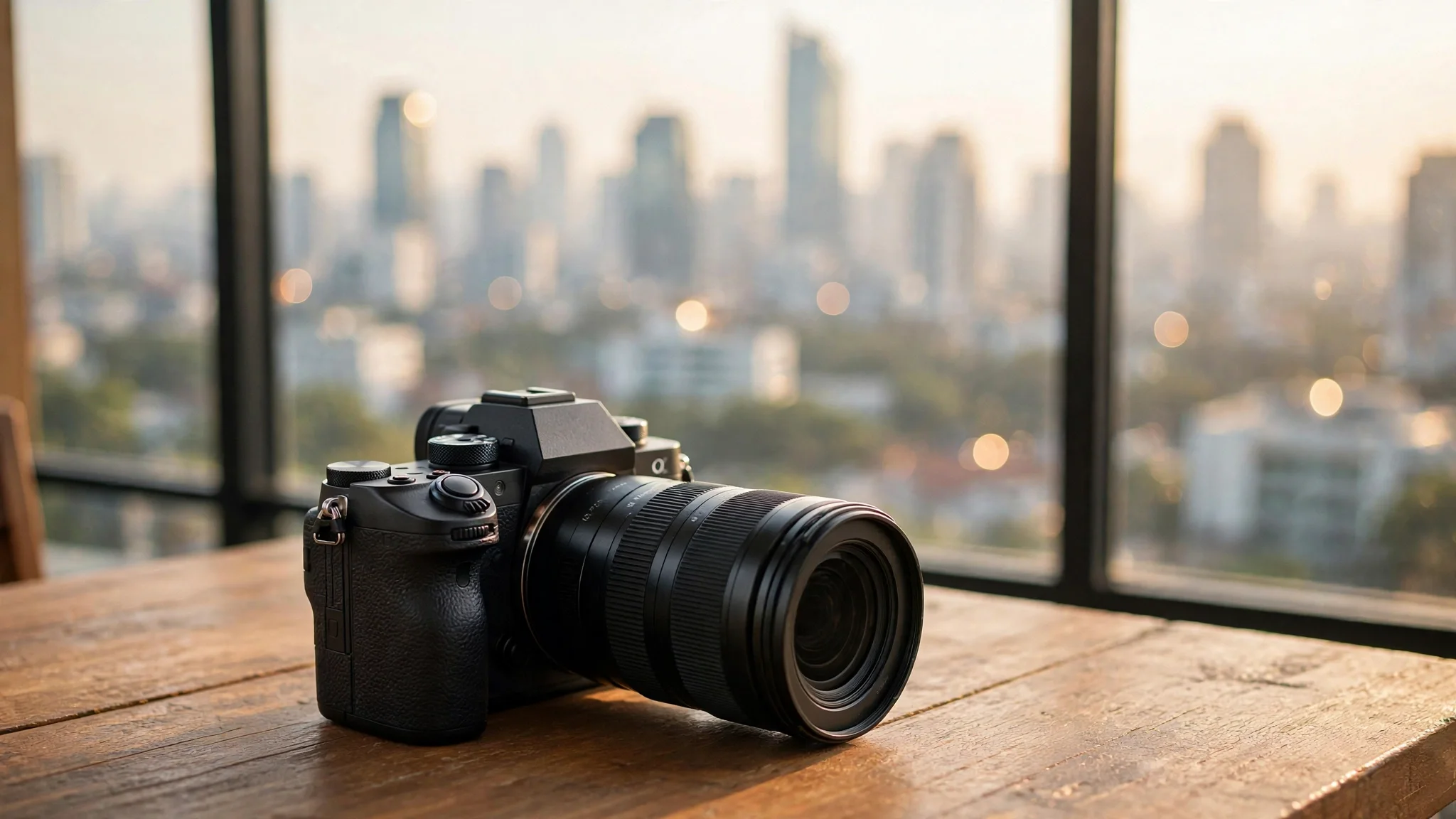
Kota Tua rewards a good camera: colonial facades, the canal, and the lively square all photograph beautifully in morning light. If you would rather not carry expensive gear through airports and crowded streets, consider renting a camera or a smartphone for the day instead. A pocket WiFi device, from around Rp50,000 to Rp80,000 (about $3–$5) per day, keeps maps and ride-hailing working while you walk. Foreign visitors typically need only a passport as ID to rent, and devices can be delivered straight to your hotel or handed over at Soekarno-Hatta Airport on arrival.
Ready to rent? Visit desasewaindonesia.com
Walk Jakarta's history with a camera in hand and maps always online — rent the gear that makes your Kota Tua morning easy and memorable. Ready to rent? Visit desasewaindonesia.com for tourist-friendly camera, smartphone, and pocket WiFi rentals delivered to your hotel or the airport.