
Tipping and Bargaining in Indonesia: A Tourist's Etiquette Guide
Should you tip the waiter in Jakarta? Can you haggle over that batik shirt at the market? Indonesia's etiquette around money is relaxed but has its own unwritten rules — and getting them right earns you smiles instead of awkward stares. Tipping is appreciated but rarely obligatory, while bargaining is expected in some places and frowned upon in others. Here is a practical guide so you always know what to do.
Tipping in Indonesia: The Basics
Unlike in the United States, tipping is not obligatory in Indonesia. Many mid-range and upscale restaurants already add a service charge of 5–10% plus government tax to the bill — check the receipt before adding anything extra. If no service charge is included and the service was good, leaving 5–10% in cash is a kind gesture. At street food stalls, warungs (small family eateries), and food courts, no tip is expected at all; vendors price their food to include everything. Rounding up a taxi fare or a small bill is common and always appreciated, but nobody will chase you for not doing it.

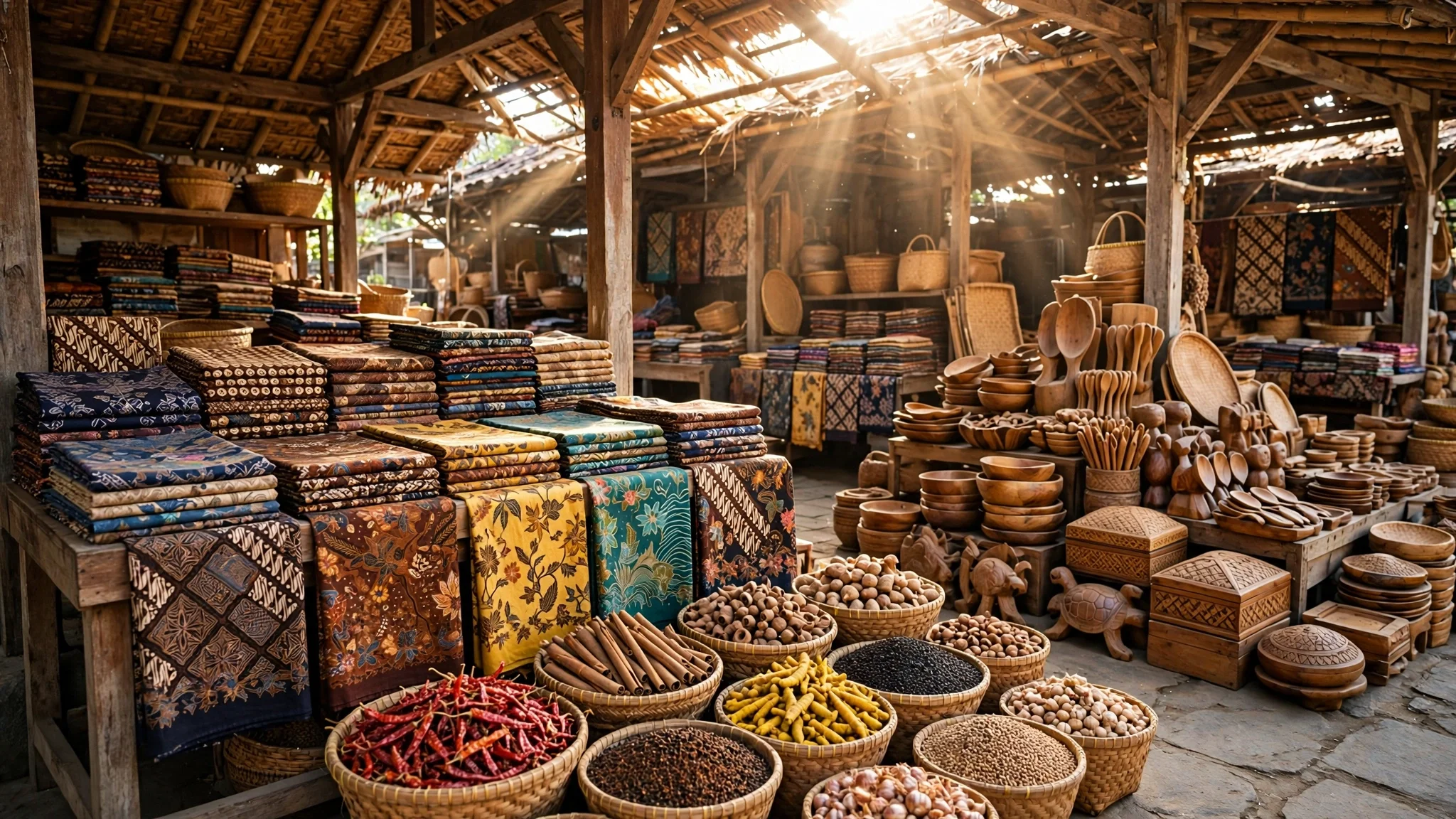
A busy traditional market stall — where bargaining is part of the culture — photo: Pexels
Who to Tip and How Much
Use these rough guidelines and adjust to the situation. Hotel porters and housekeeping: Rp10,000–Rp20,000 (about $0.60–$1.25) per bag or per day is generous. Drivers (private car or day hire): Rp20,000–Rp50,000 (about $1.25–$3) on top of the agreed fare for good service. Spa and massage therapists: 10% of the treatment price is standard at nicer establishments. Tour guides: Rp50,000–Rp100,000 (about $3–$6) per day for a private guide who went the extra mile. Cash is king for tipping: hand it directly with a smile and a "terima kasih" (thank you).
Bargaining: Where It's Expected
Bargaining is a normal, even social, part of shopping at traditional markets, street stalls, and souvenir shops without price tags. Vendors expect it — the first price is an opening offer. A good approach: start at around 50–60% of the asking price, keep smiling, and meet somewhere in the middle. The walk-away is your strongest tool; if the price does not feel right, thank the seller and stroll on — they will often call you back with a better offer. One golden rule: once you agree on a price, the deal is done.

Browsing souvenirs at a market — bargaining is expected here — photo: Pexels
When NOT to Bargain or Tip
Do not bargain where prices are fixed: malls, supermarkets, restaurants, and shops with price tags are non-negotiable, and haggling there comes across as rude. Never bargain over street food — a Rp15,000 bowl of bakso is already fairly priced, and haggling over pennies feels disrespectful. Metered taxis and ride-hailing apps have set fares, so no negotiation is needed. At temples and cultural sites, donations are voluntary and separate from tipping — give what you wish at the donation box. And in upscale hotel restaurants where a service charge is already on the bill, an extra tip is a bonus, not a duty.
Cash Is Still King
Many of the places where tipping and bargaining matter — markets, street stalls, small shops — run on cash. Carry a mix of Rp10,000, Rp20,000, and Rp50,000 notes; vendors genuinely struggle to break Rp100,000 bills for small purchases. ATMs are widespread in malls and tourist areas (look for ones attached to banks), and reputable money changers in tourist districts usually offer better rates than the airport. As a rough reference, Rp16,000 is about one US dollar. A currency converter app on your phone removes all guesswork when a vendor quotes a price.
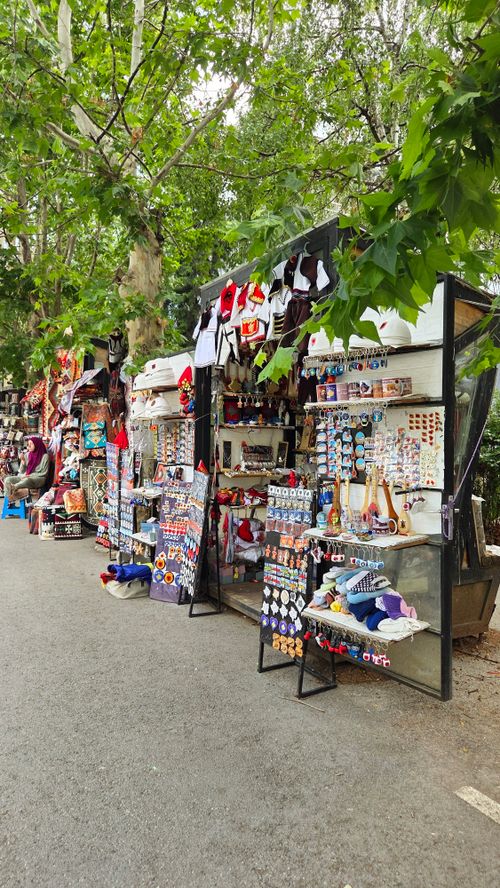
Souvenir stalls at an outdoor market — photo: Pexels
Stay Connected While You Shop
A phone with reliable data is your best shopping companion: live currency conversion, a translation app for chatting with vendors, and maps to find the next market. If your own phone cannot take an Indonesian SIM, renting a smartphone locally or carrying a pocket WiFi device (from around Rp50,000–Rp80,000 or $3–$5 per day) keeps you connected all day. Planning to photograph your market finds or your trip? A rented camera captures the colors far better than a tired phone. Foreign visitors typically need only a passport as ID to rent, with delivery to your hotel or pickup at Soekarno-Hatta Airport.
Ready to rent? Visit desasewaindonesia.com
Shop the markets with confidence — live exchange rates, translation, and maps in your pocket, and a camera for every colorful stall. Ready to rent? Visit desasewaindonesia.com for tourist-friendly smartphone, pocket WiFi, and camera rentals delivered to your hotel or the airport.






