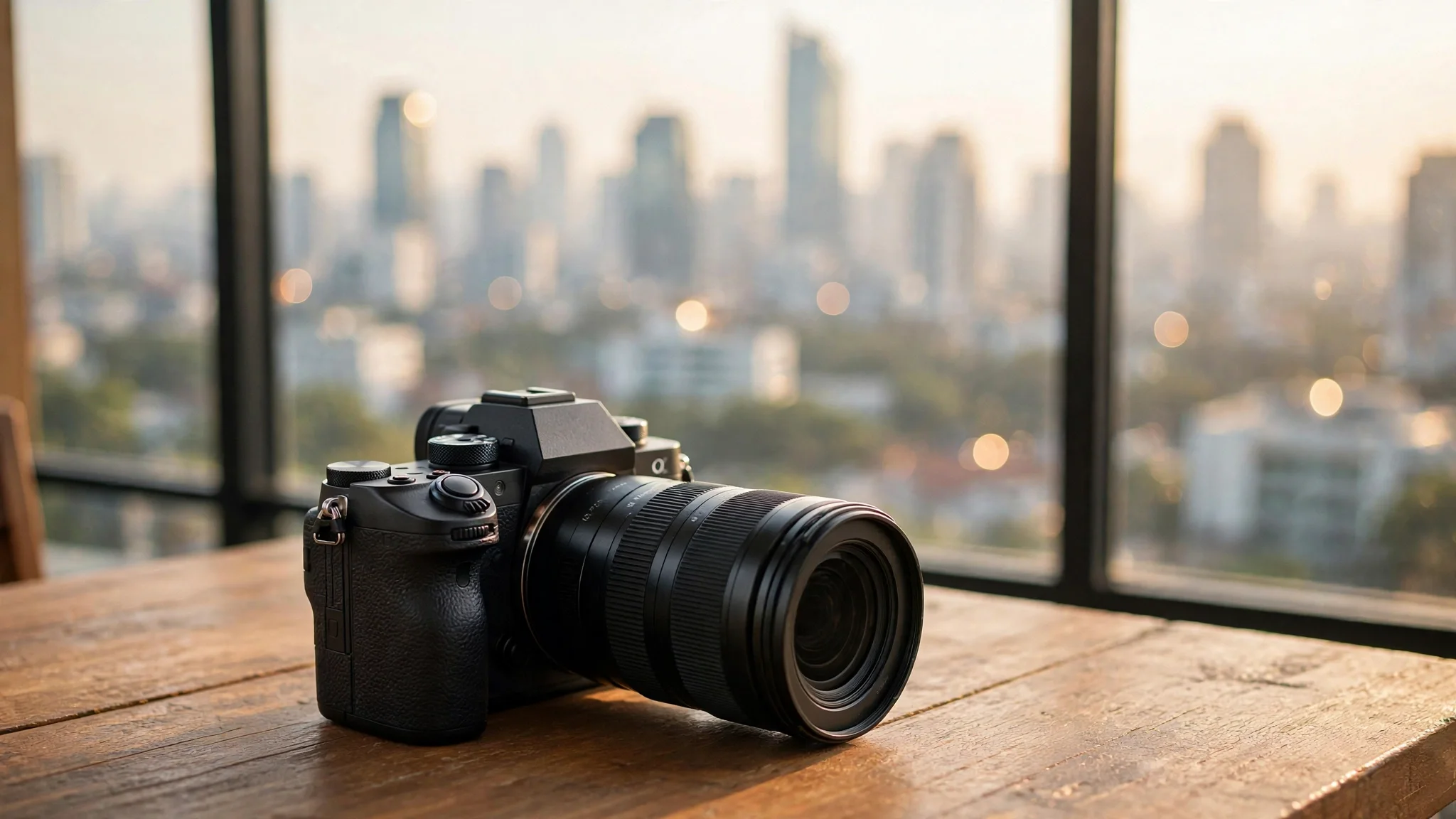
Jakarta: The Nomad Base You Didn't Expect
Bali gets the glory, but Jakarta is where Indonesia's remote workers actually get things done: faster internet, proper business infrastructure, direct international flights, and a café scene that takes laptop workers seriously. Whether you're passing through for a week or basing here for a month, here's how to work remotely from Jakarta in 2026.
1. Nomad Neighborhoods: Where to Base Yourself
- Kuningan / SCBD (South Jakarta): the business core. Most coworking spaces cluster here, the MRT runs straight through, and you're 30 minutes from the airport off-peak. Best for short stays with heavy meeting schedules.
- Kemang (South Jakarta): the expat-favorite district — leafier streets, international restaurants, boutique apartments, and laptop-friendly cafés on nearly every corner. Slightly pricier, much more relaxed.
- Menteng / Cikini (Central Jakarta): colonial-era charm, central location, and good value apartments. Great if your work takes you to embassies or government offices.
- Pantai Indah Kapuk (North Jakarta): newer, modern, popular with long-stay expats. Excellent food scene, but further from the MRT — budget for ride-hailing.
Monthly apartment rentals in these areas run around Rp5,000,000–Rp12,000,000 (roughly $300–$730 USD) for a decent one-bedroom; daily serviced apartments start around Rp400,000–Rp700,000 (roughly $24–$43 USD) per night.

Jakarta's coworking spaces pair fast, stable internet with the kind of desk setup that makes a workday fly by.
2. Coworking Spaces & Day-Pass Prices
Jakarta's coworking scene is mature and competitive. Day passes typically cost around Rp100,000–Rp200,000 (roughly $6–$12 USD), including high-speed WiFi, coffee, and meeting-room credits. Monthly hot-desk memberships run around Rp1,500,000–Rp2,500,000 (roughly $90–$150 USD).
What to look for as a nomad: spaces near MRT stations (Kuningan, Senayan, and Blok M corridors have the densest options), 24-hour access if you sync with other time zones, and reliable backup power — Jakarta's grid is generally stable, but the best spaces have generators. Most major spaces let you book a day pass online or just walk in; bring your passport for the visitor registration.
3. Café Culture: The Laptop-Friendly Rules
Jakarta's specialty coffee scene is outstanding — and many cafés actively welcome remote workers. The unwritten rules keep you welcome:
- Buy regularly: one coffee per 2–3 hours of sitting is the polite minimum. A good latte costs around Rp35,000–Rp55,000 (roughly $2–$3.40 USD).
- Mind the rush: avoid camping during lunch (12–1 PM) and weekend brunch peaks; mornings and mid-afternoons are the golden hours for laptop work.
- Power and WiFi: most work-oriented cafés advertise free WiFi and outlets — Kemang and Senopati are packed with them. Carry a small power strip anyway; outlets are prime real estate.
- Calls: take long calls outside or in a corner. Indonesian café etiquette is quiet and considerate.
4. When Your Laptop Dies: The Rental Backup Plan
Every nomad's nightmare: the laptop dies mid-trip — a cracked screen, a fried charger, a theft. Buying a new machine abroad is expensive and slow, and shipping yours home takes weeks. Jakarta has a practical alternative: rent a laptop locally.
Daily laptop rental typically costs around Rp75,000–Rp150,000 (roughly $4.50–$9 USD) per day, with weekly and monthly rates much cheaper per day. Rental units usually come with a fresh OS install, office software, and a charger. For foreigners, booking normally requires only a passport as ID, and many services deliver to your hotel, apartment, or coworking space the same day.
This isn't just for emergencies, either. Traveling ultralight and renting a workstation on arrival is a legitimate nomad strategy: no laptop in your bag through airport security, no theft anxiety on the road, and a full-size setup waiting at your Jakarta base.

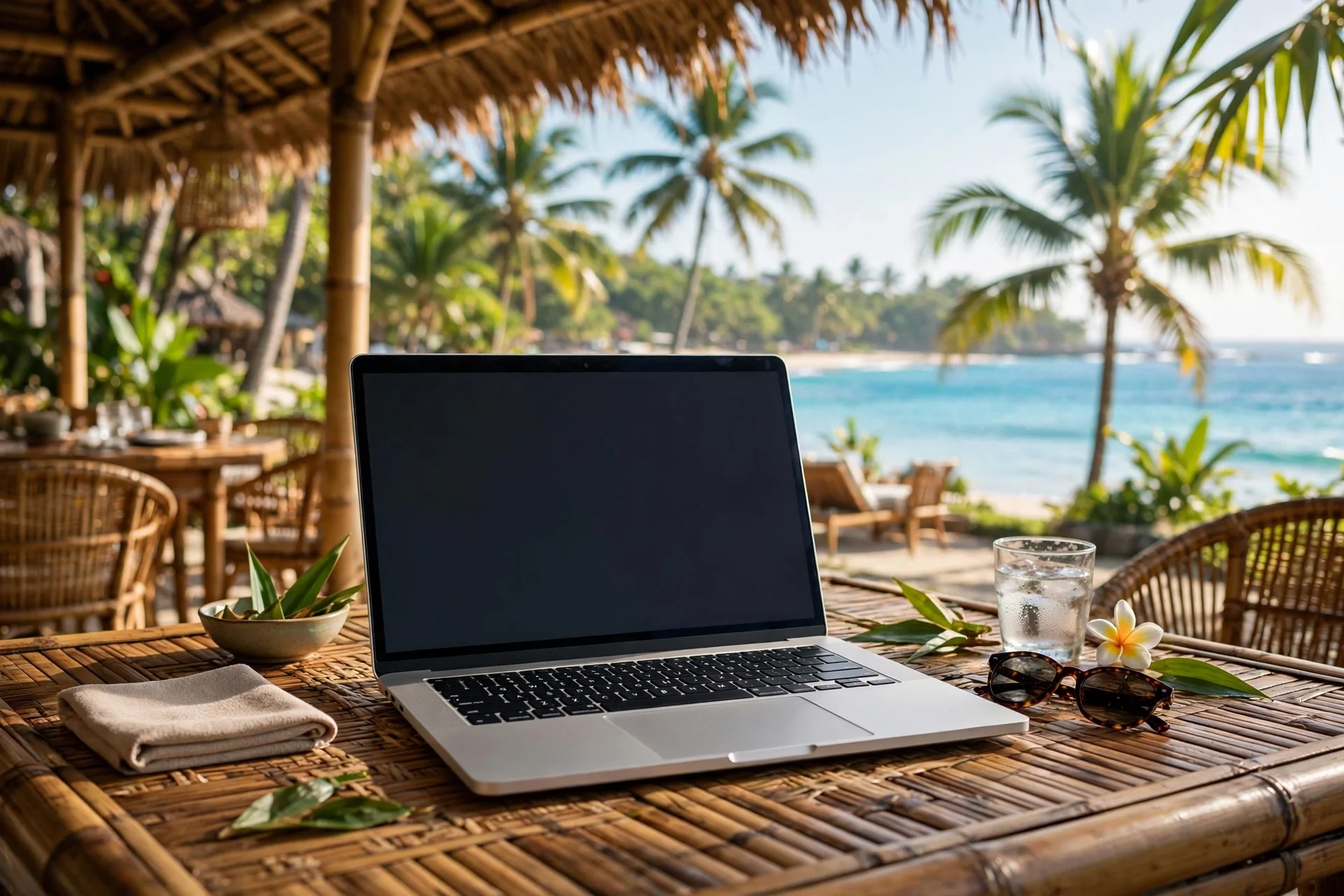
A rented laptop as your backup plan — or your whole setup. Book with a passport and get it delivered to your hotel or coworking space.
5. Staying Connected & Practical Tips
- Internet: coworking WiFi is fast and reliable (50–200 Mbps is normal). For mobile data, grab a tourist SIM or eSIM at the airport — see our connectivity guide — so your ride-hailing and maps never drop.
- Time zone: Jakarta is GMT+7 — convenient overlap with Asia-Pacific mornings and European afternoons; night owls sync fine with the US West Coast.
- Payments: cafés and coworking spaces accept cards and QR payments widely, but keep some cash for street food and small shops.
- Community: Jakarta's nomad community is smaller than Bali's but active — expat groups and coworking events are the fastest way to find your people.
Work Hard, Rent Smart
Jakarta rewards nomads who travel light and stay flexible. And when your gear can't keep up — a dead laptop, a cracked phone, a missing charger — renting locally beats buying abroad every time. Browse, book with your passport, and get it delivered to your hotel.
Ready to rent? Visit desasewaindonesia.com